
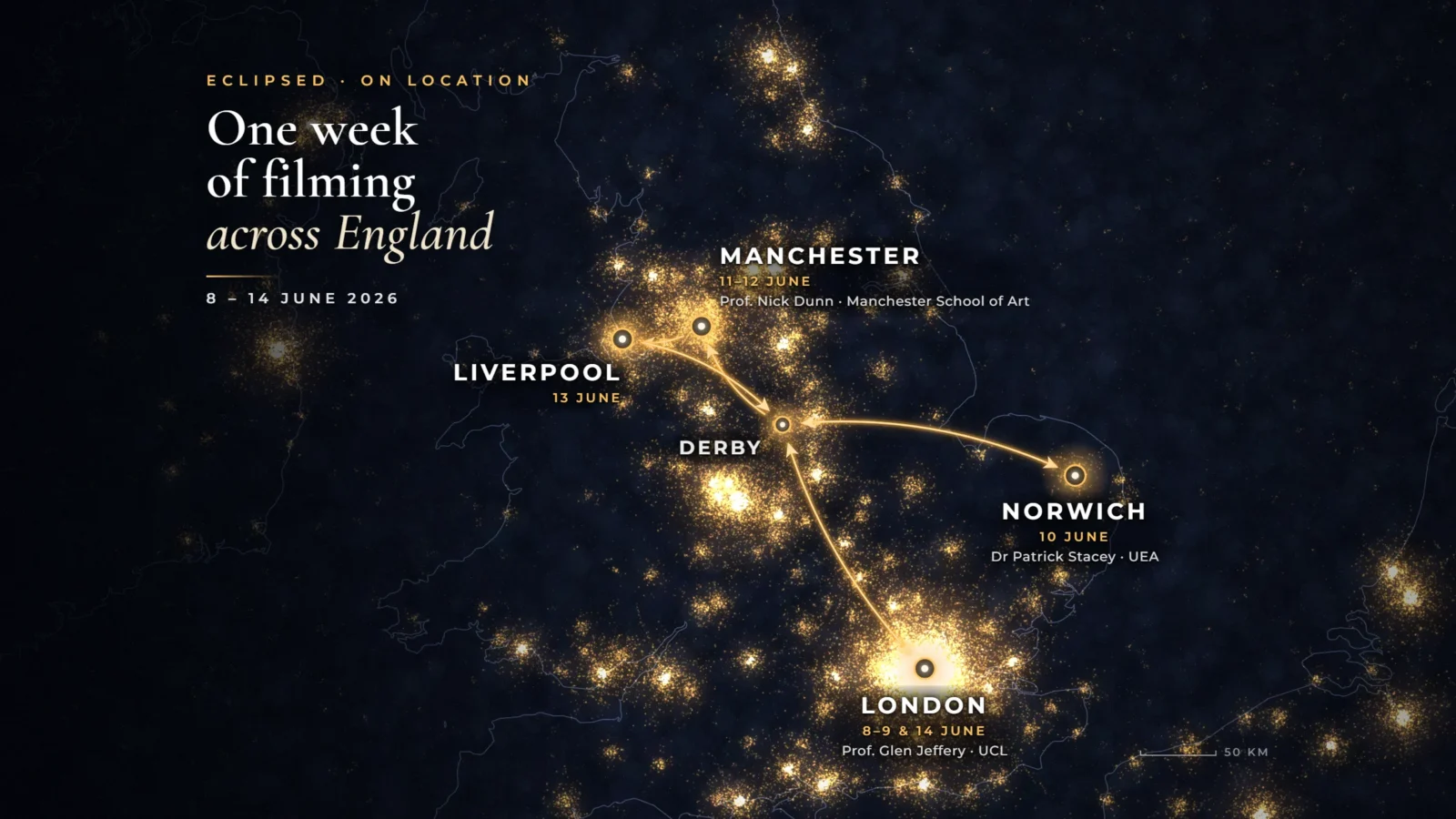
In June 2026, I travelled to England with director Christophe Anagnostopoulos and Dr Konstantinos “Kay” Papathanasiou, the film’s scriptwriter and research consultant, for one of the most important chapters of ECLIPSED, the light pollution documentary I am working on as assistant director, co-director of photography and producer. One week, five cities, countless miles on the road and a series of interviews with scientists and researchers who study what happens to us, and to the world around us, when the night disappears.
Months of preparation for one week of filming
Since February, following the completion of the last Lake Kerkini workshops, we entered the final stage of preparations for the UK filming of ECLIPSED. Months of planning, coordination and communication followed to arrange interviews with professors, researchers and experts whose work contributes to a deeper understanding of light pollution and its impact on our world.
That is also why I haven’t been very active on social media over the past months. My full attention and energy were focused on preparing for and carrying out these shoots, so that we could make the most of every opportunity we had there.
Our route across England
The map at the top of this article shows the route: London, Norwich, Manchester and Liverpool, with Derby, in the heart of England, as the crossroads we kept passing through. I drew it as a night view of Britain on purpose. Those glowing patches where people live are exactly what ECLIPSED is about.
There were three of us on the road: Christophe behind the main camera, Kay following every conversation with the script and the research in mind, and me on camera and production. A small team for a big week, and every one of us was needed.
London: Professor Glen Jeffery at UCL
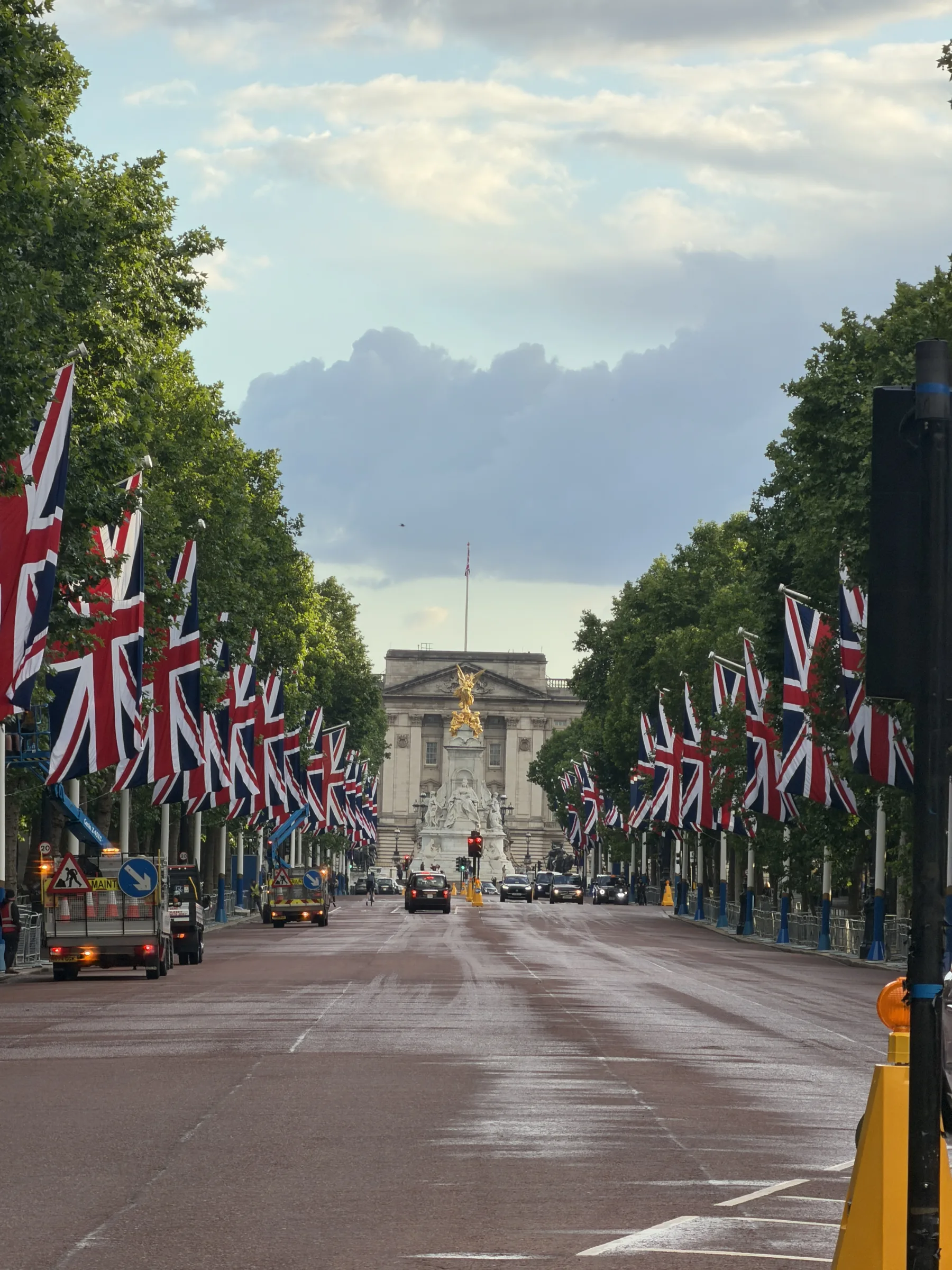
We flew in on 8 June, with the gear packed the night before, and spent the first evening walking through London with Christophe: from Notting Hill Gate to Piccadilly Circus under a heavy sky, down The Mall, lined with Union flags all the way to Buckingham Palace, and on to Big Ben and the Thames at Westminster. At eight in the evening the city was still in full daylight, a first reminder of how short and bright the June nights are this far north.
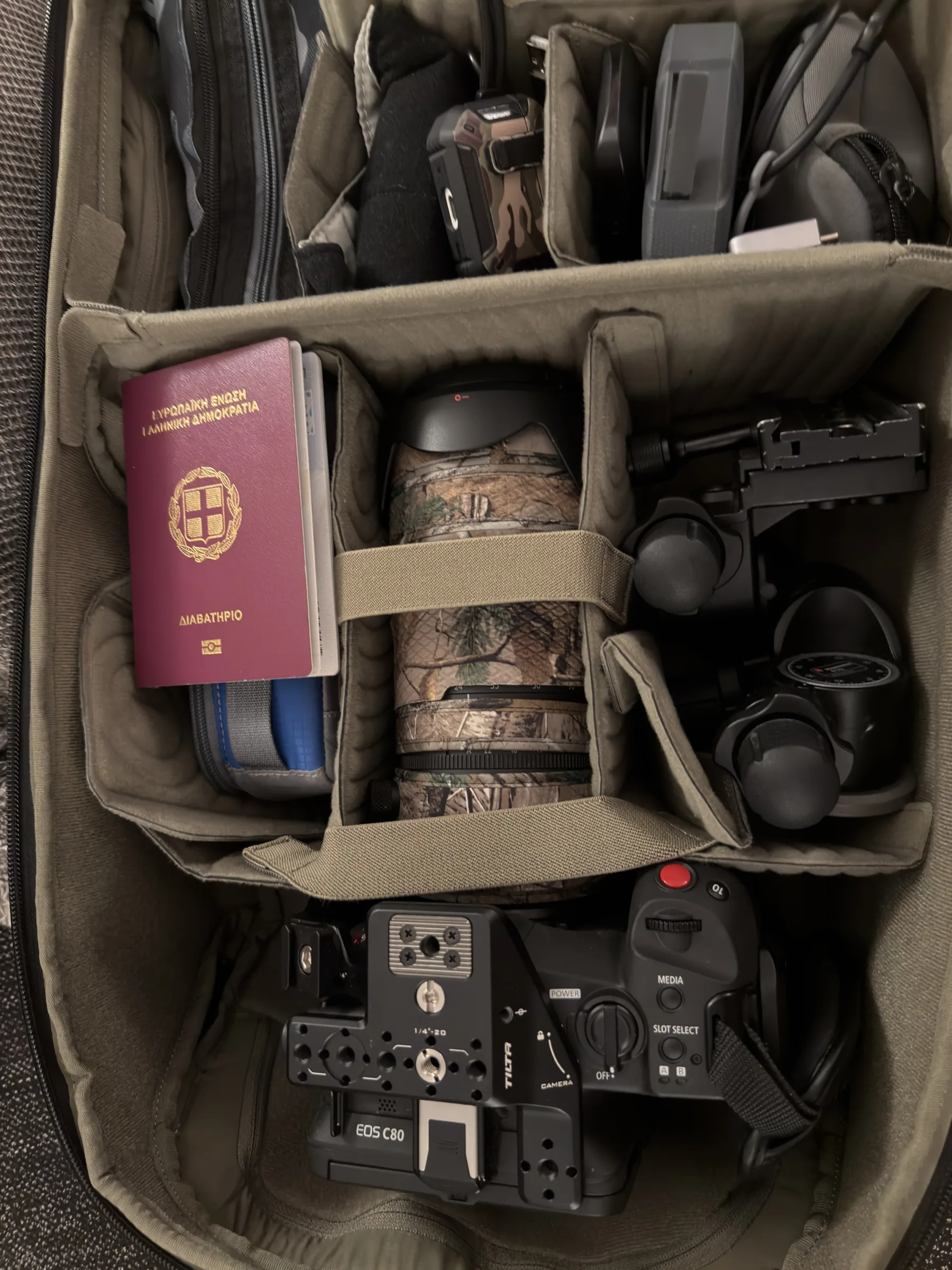
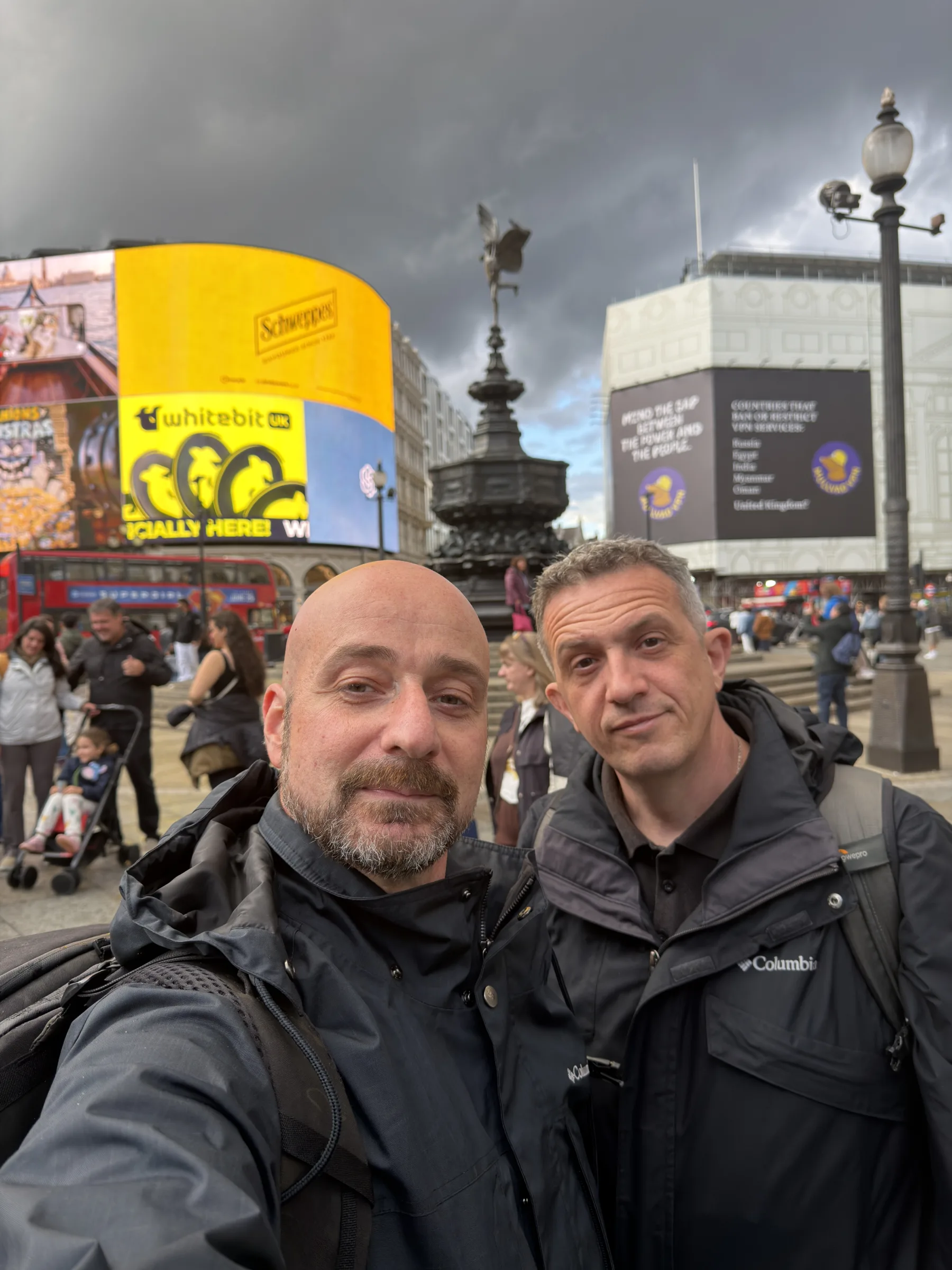
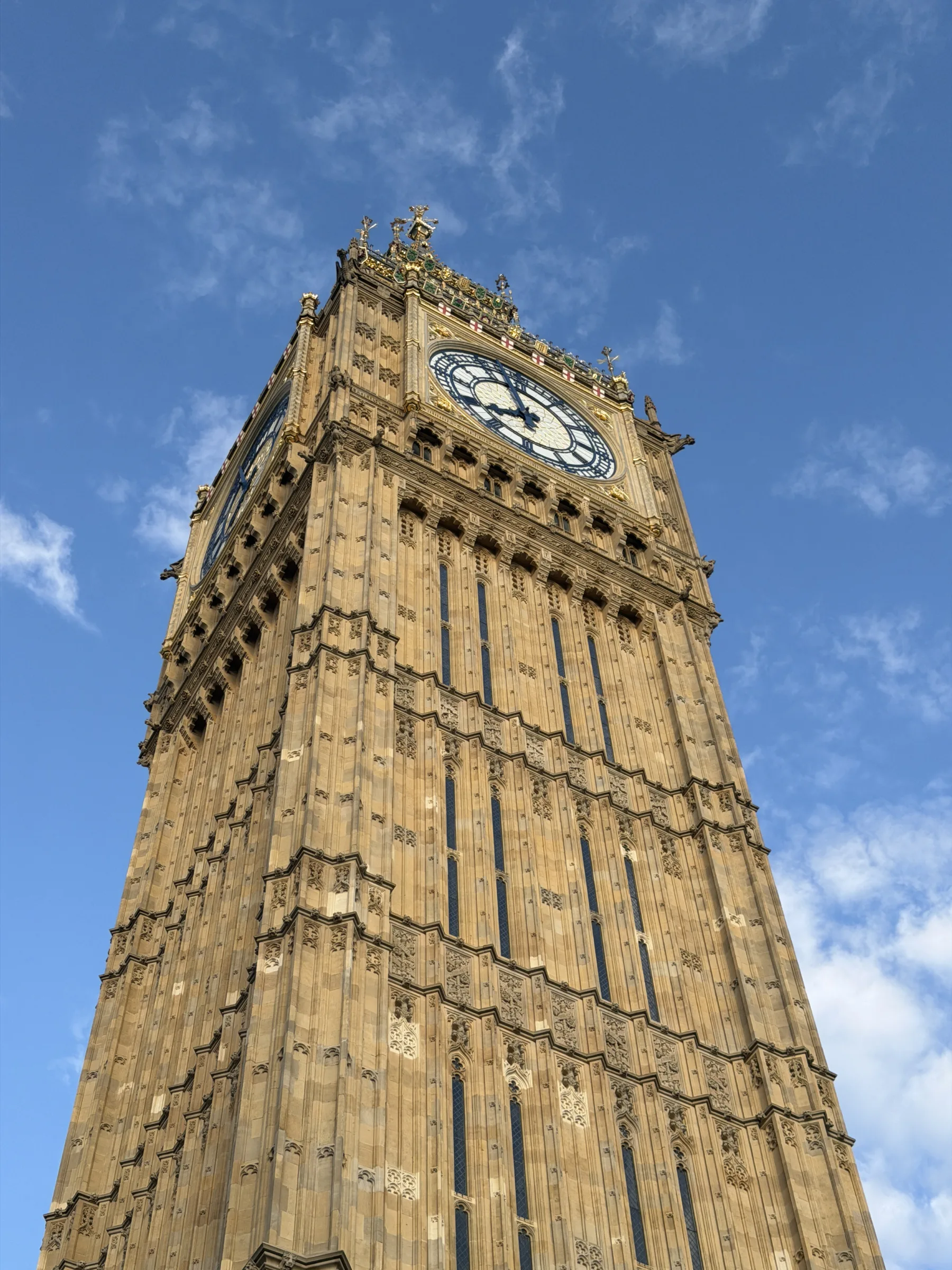
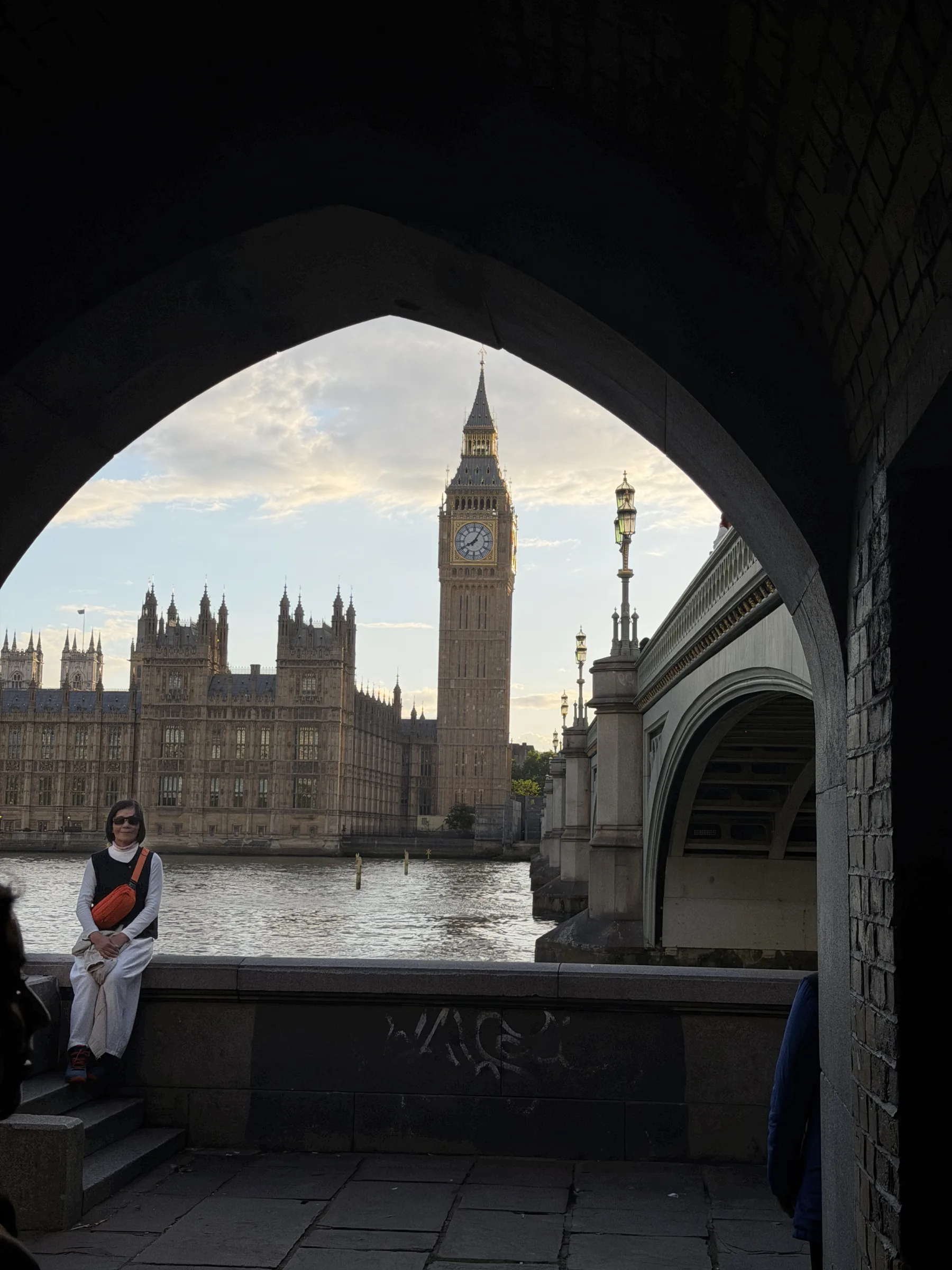
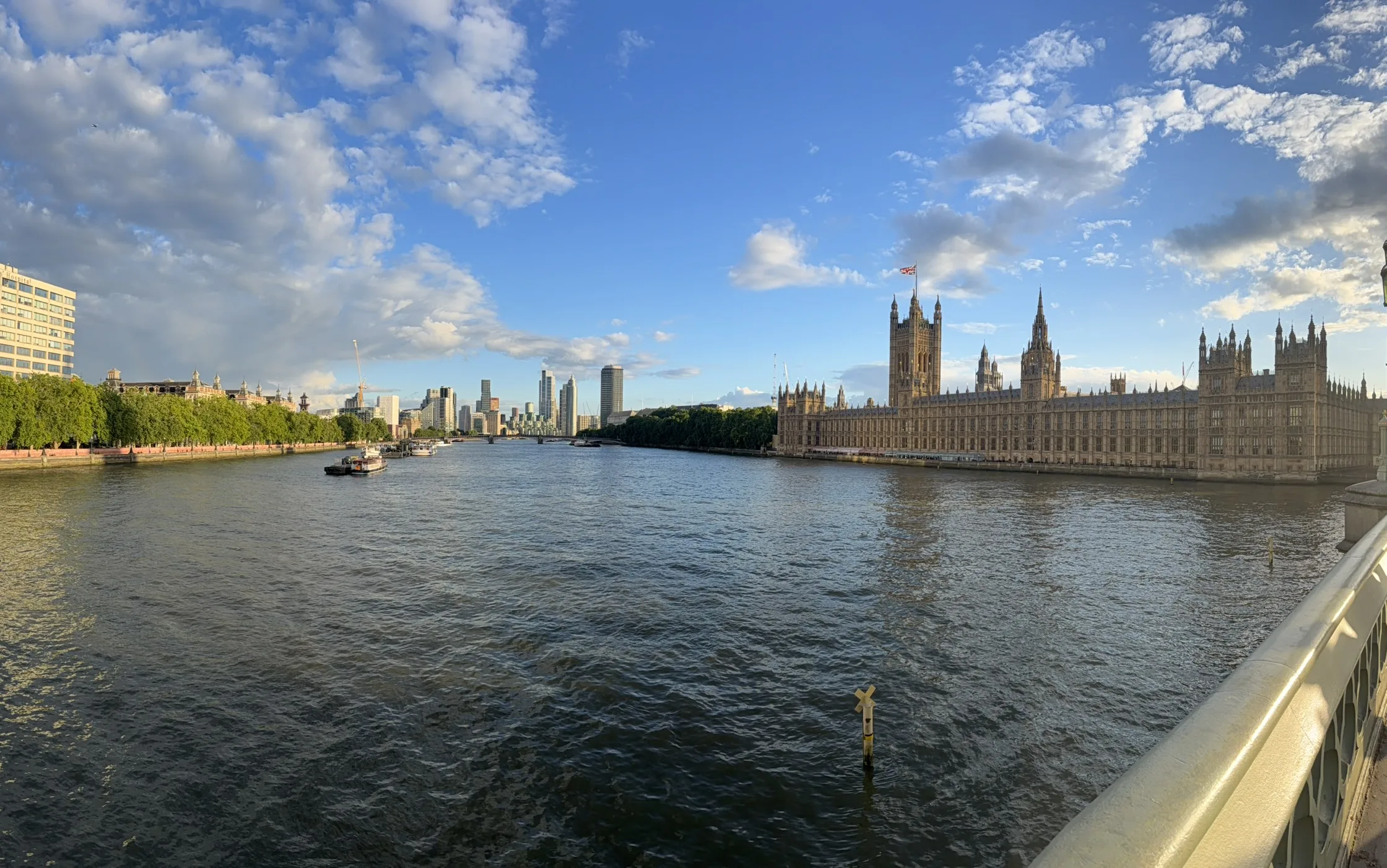
The next morning, 9 June, Christophe and I had a little time to walk around London before heading to UCL.
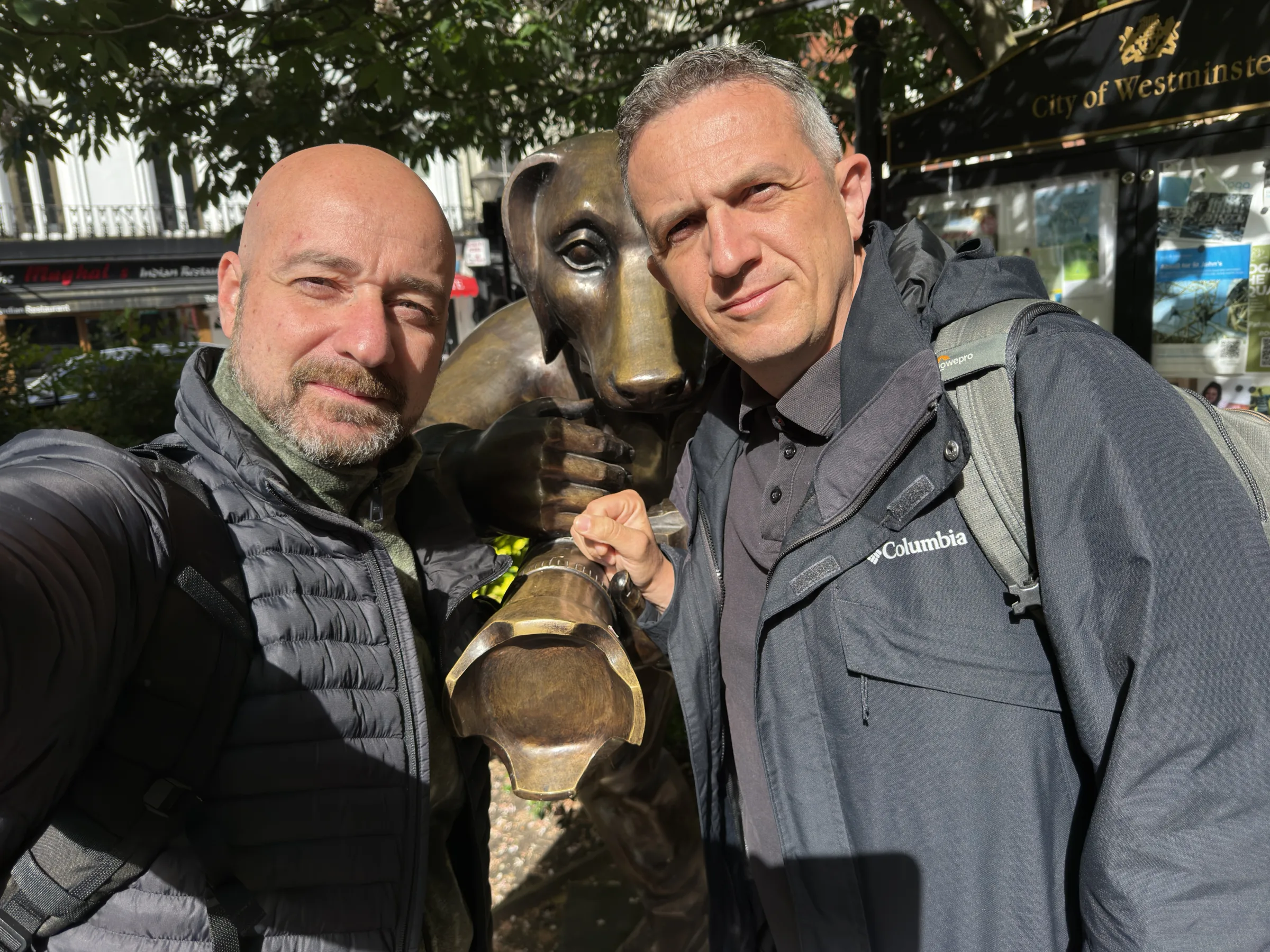
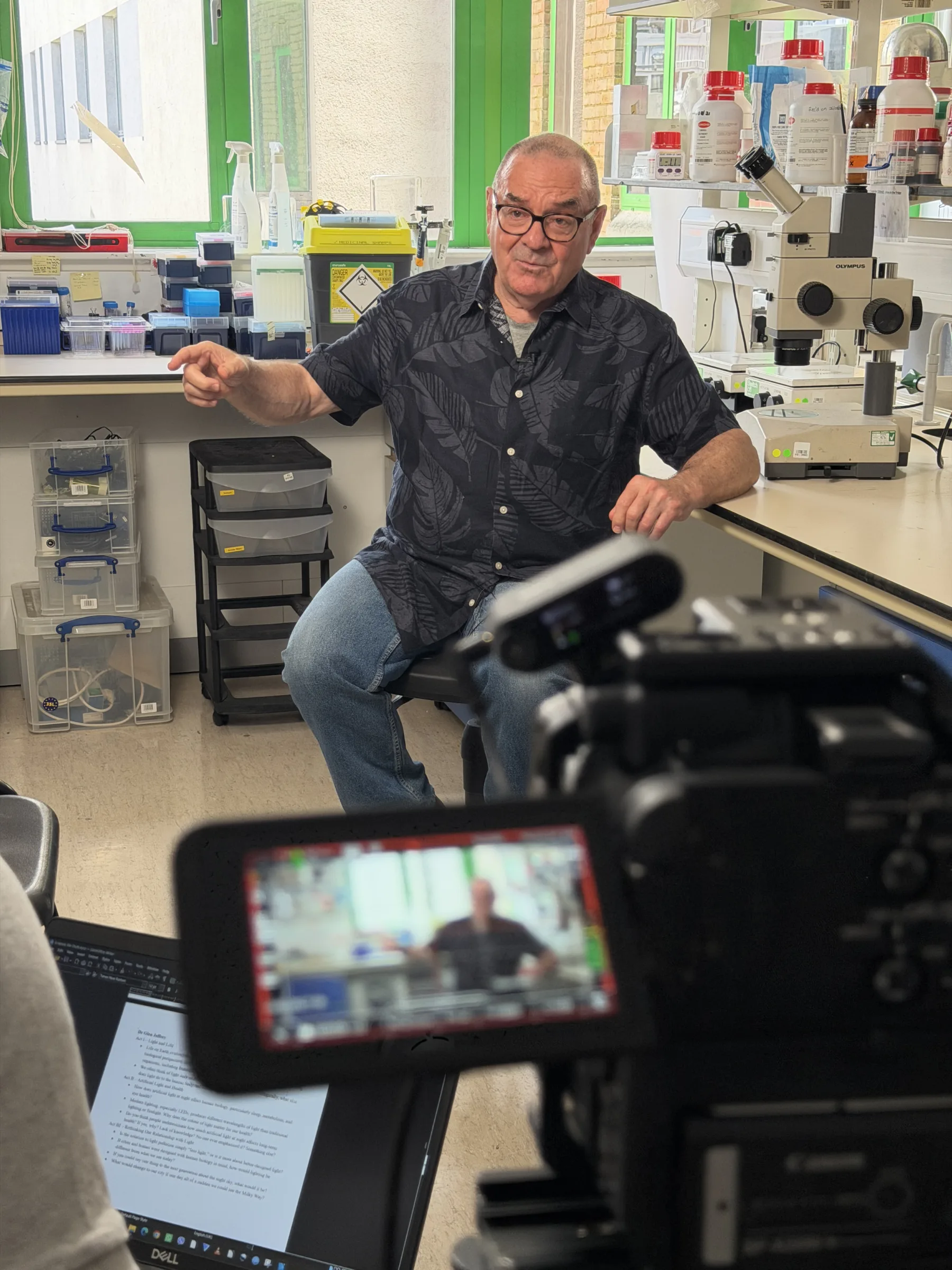
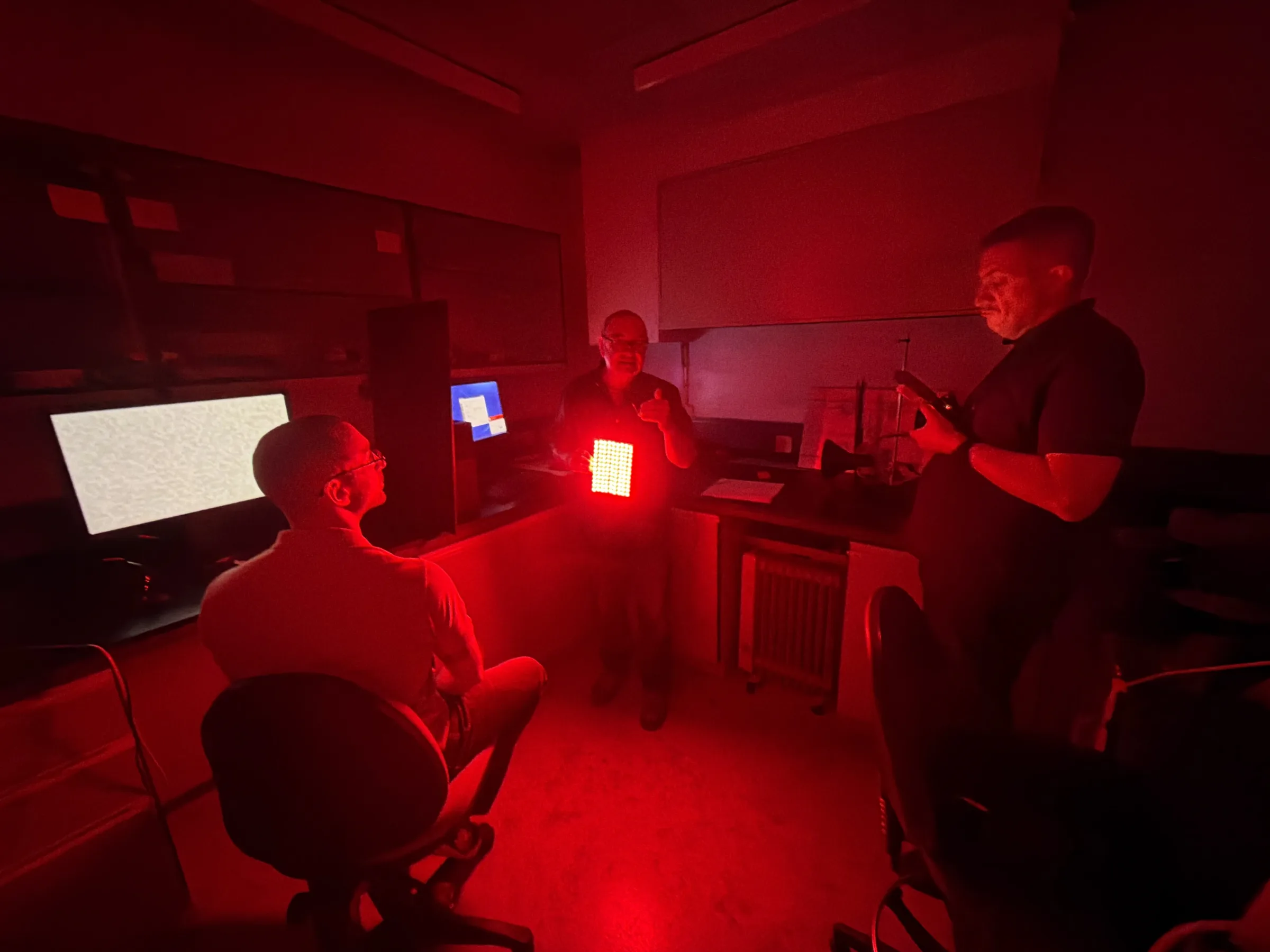
Later that day, we filmed our interview with Professor Glen Jeffery, Professor of Neuroscience at University College London, at the UCL Institute of Ophthalmology. His work on vision, ageing and the biological effects of light connects the story of the night sky to something very personal: our own eyes and bodies. You can read more about this interview on the official ECLIPSED website.
Norwich: Dr Patrick Stacey at the University of East Anglia
On 10 June we were in Norwich to interview Dr Patrick Stacey, Associate Professor at Norwich Business School, University of East Anglia (UEA). His research investigates the complex interplay between technology, digital innovation, human emotion and the natural environment: how modern technological systems shape our sensory experience of the night, our emotional connection to darkness, and the wider ecological and psychological impact of an always-illuminated world.
We talked about how hyper-connectivity and artificial illumination distance us from natural cycles, and how rediscovering the night sky can foster deeper environmental awareness, mindfulness and a renewed sense of wonder. His perspective adds a human and technological lens to the film, a reminder that protecting the dark sky is ultimately about preserving a vital part of what makes us human.
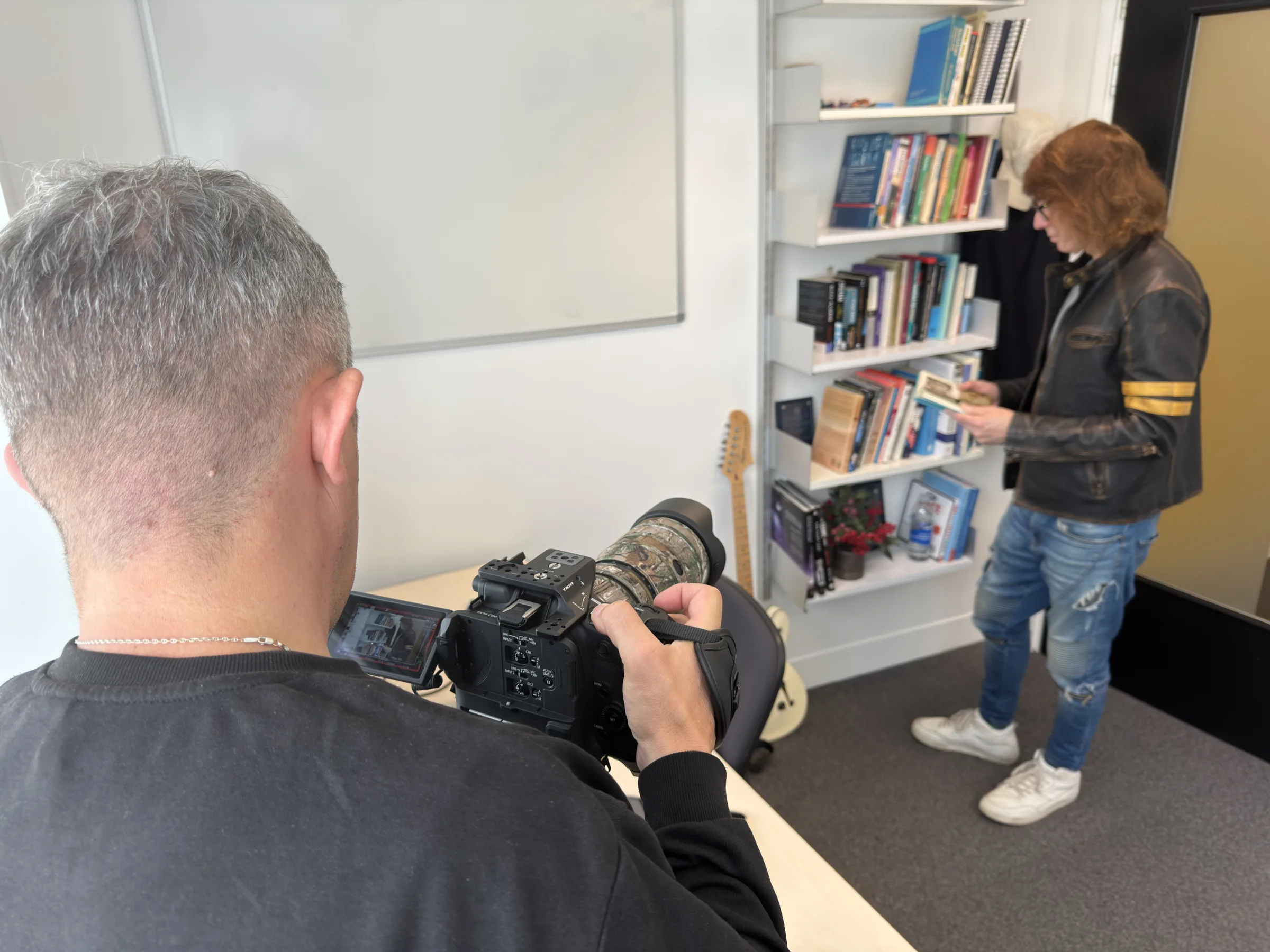
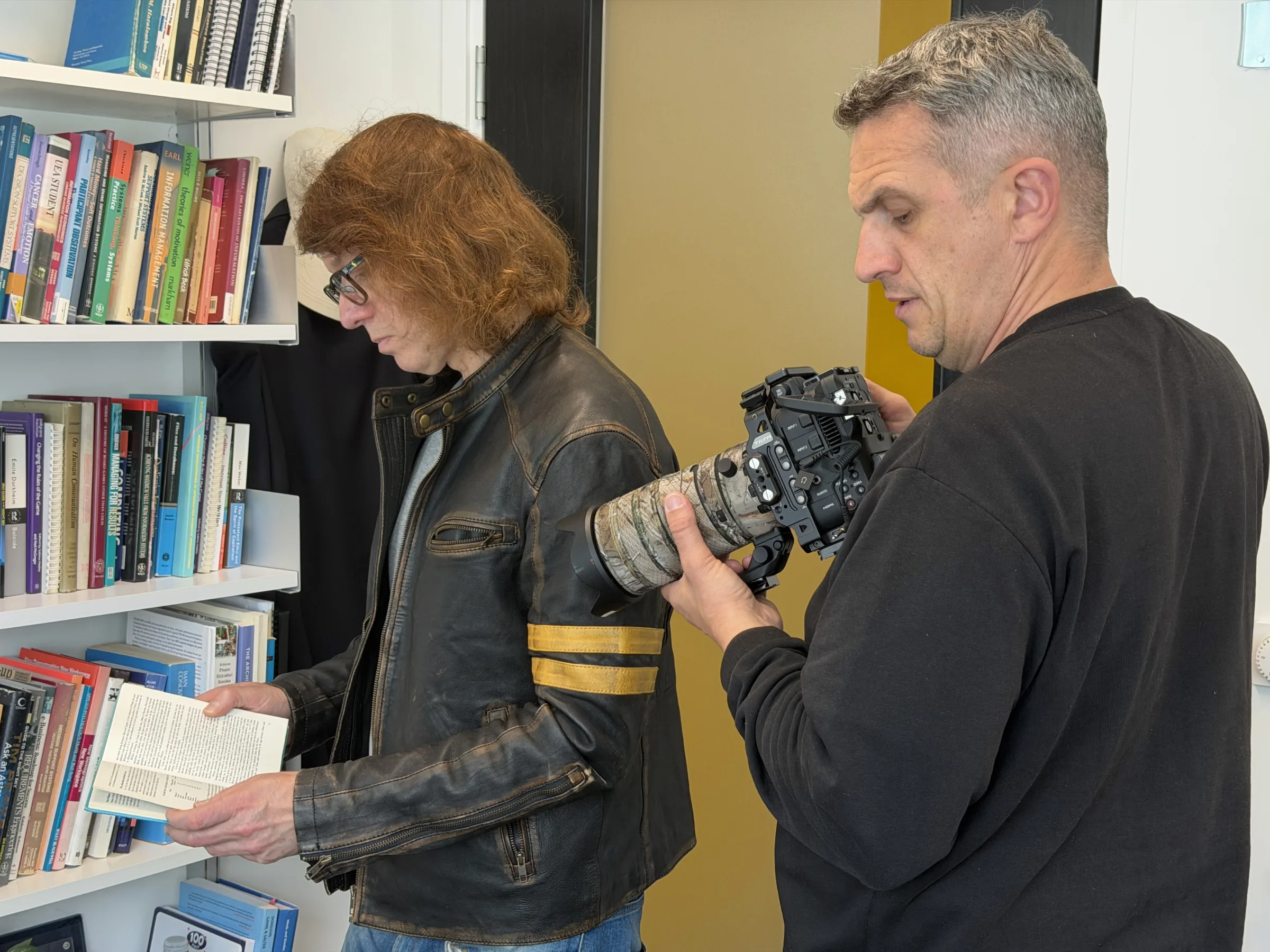
After the interview, the Norfolk countryside gave us something rare on this trip: quiet lanes, open fields and a long, slow blue hour, and we stayed outside to film Dr Stacey as the light slowly faded. In June, true darkness arrives very late in England. Even after ten in the evening, the sky was still glowing.
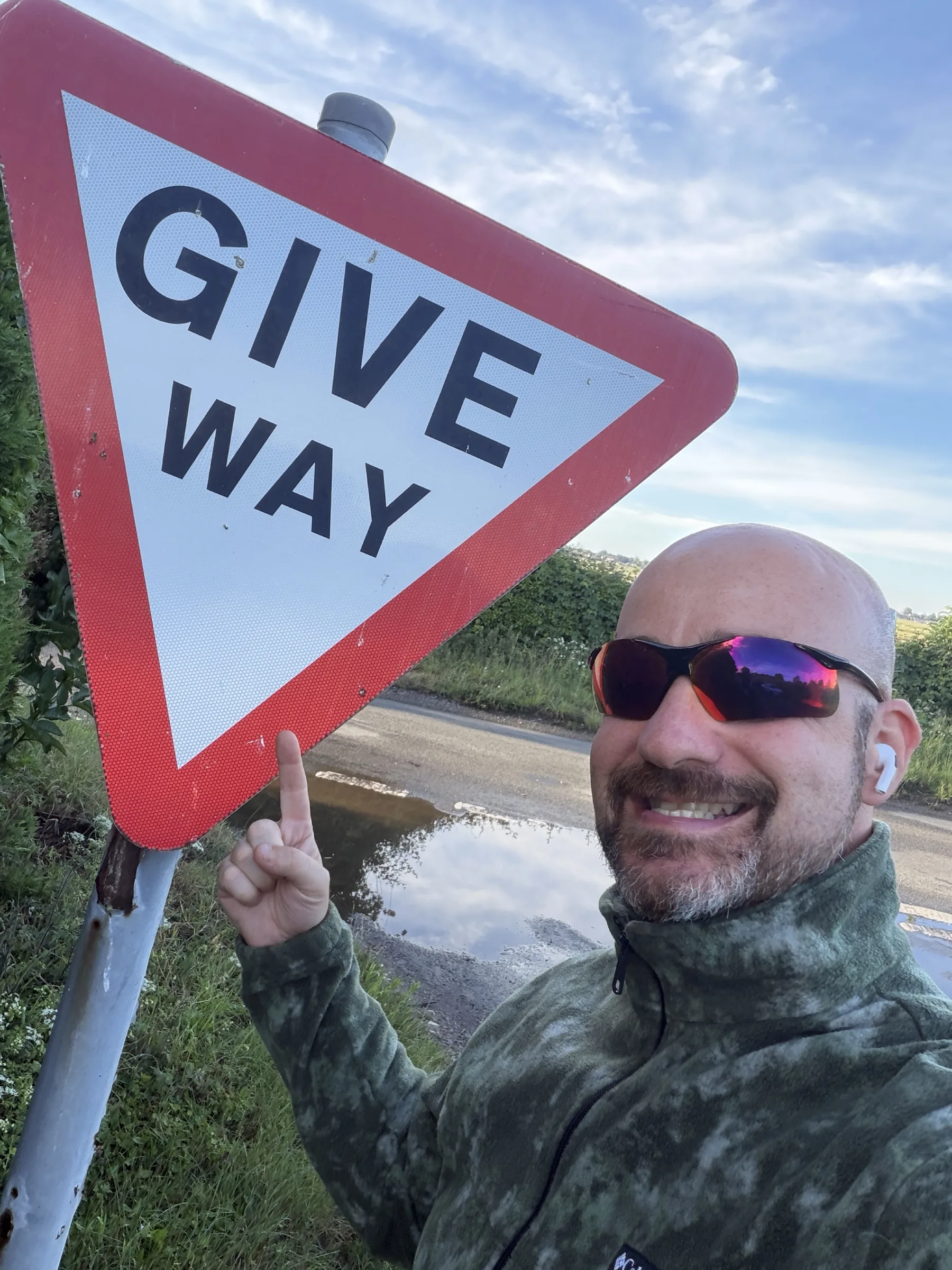
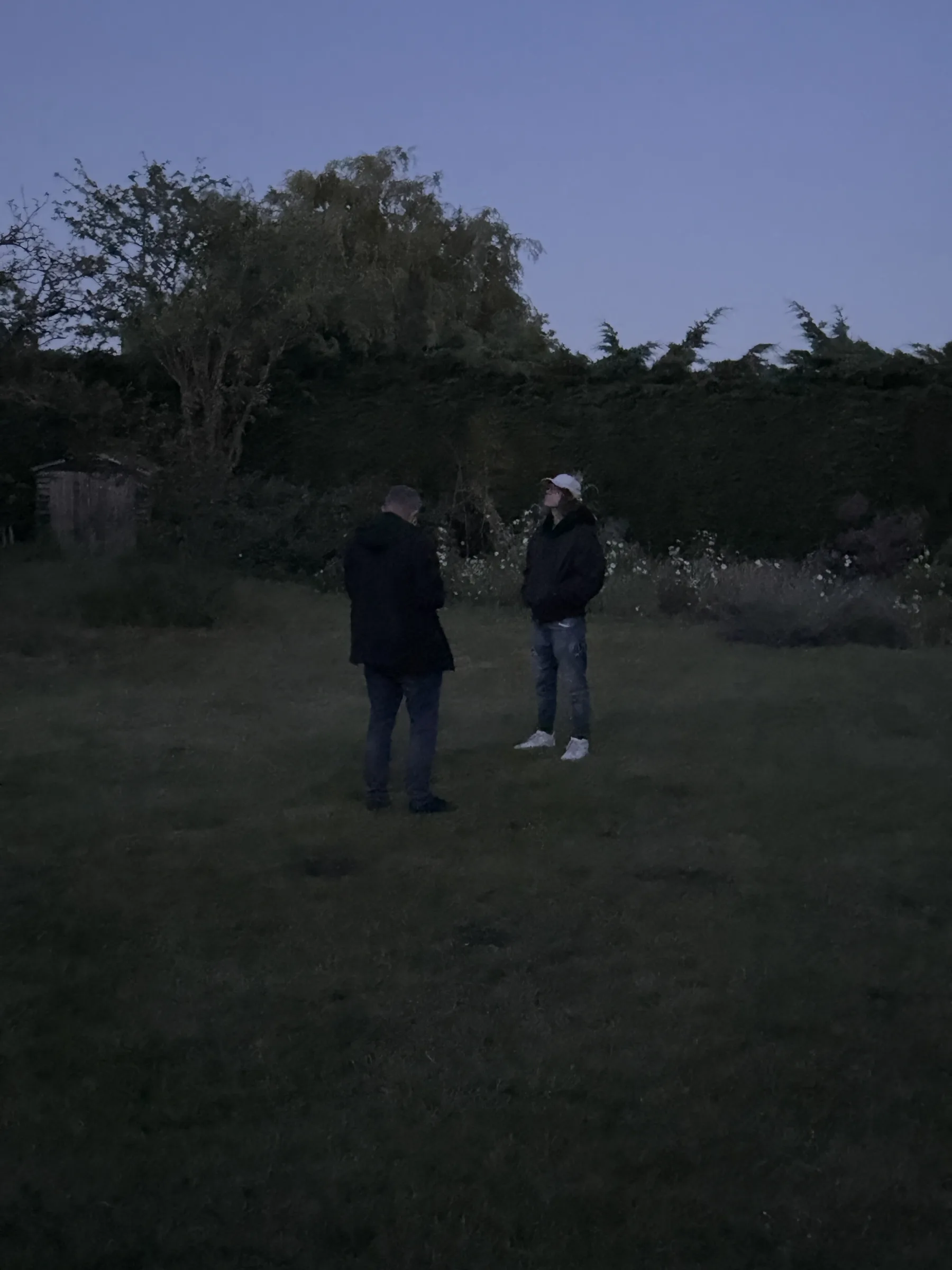
Manchester: the nocturnal city with Professor Nick Dunn
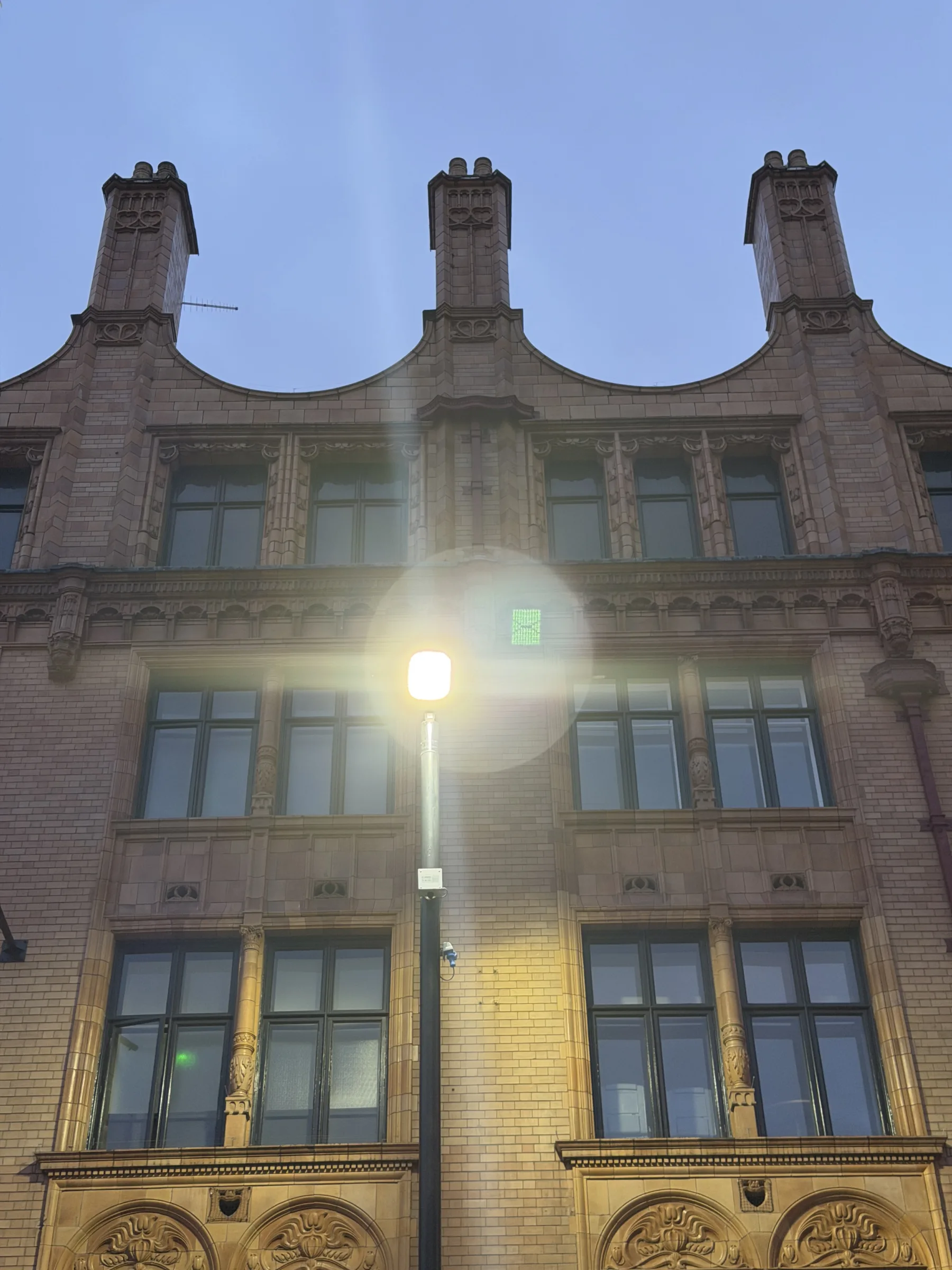
From Norfolk we crossed the country to Manchester, where we arrived on 11 June. That first evening the three of us walked through the city centre and looked at how Manchester lights itself after dark: floodlit façades, the illuminated colonnade of Central Library, and street lamps that throw their glare onto buildings and up into the sky.
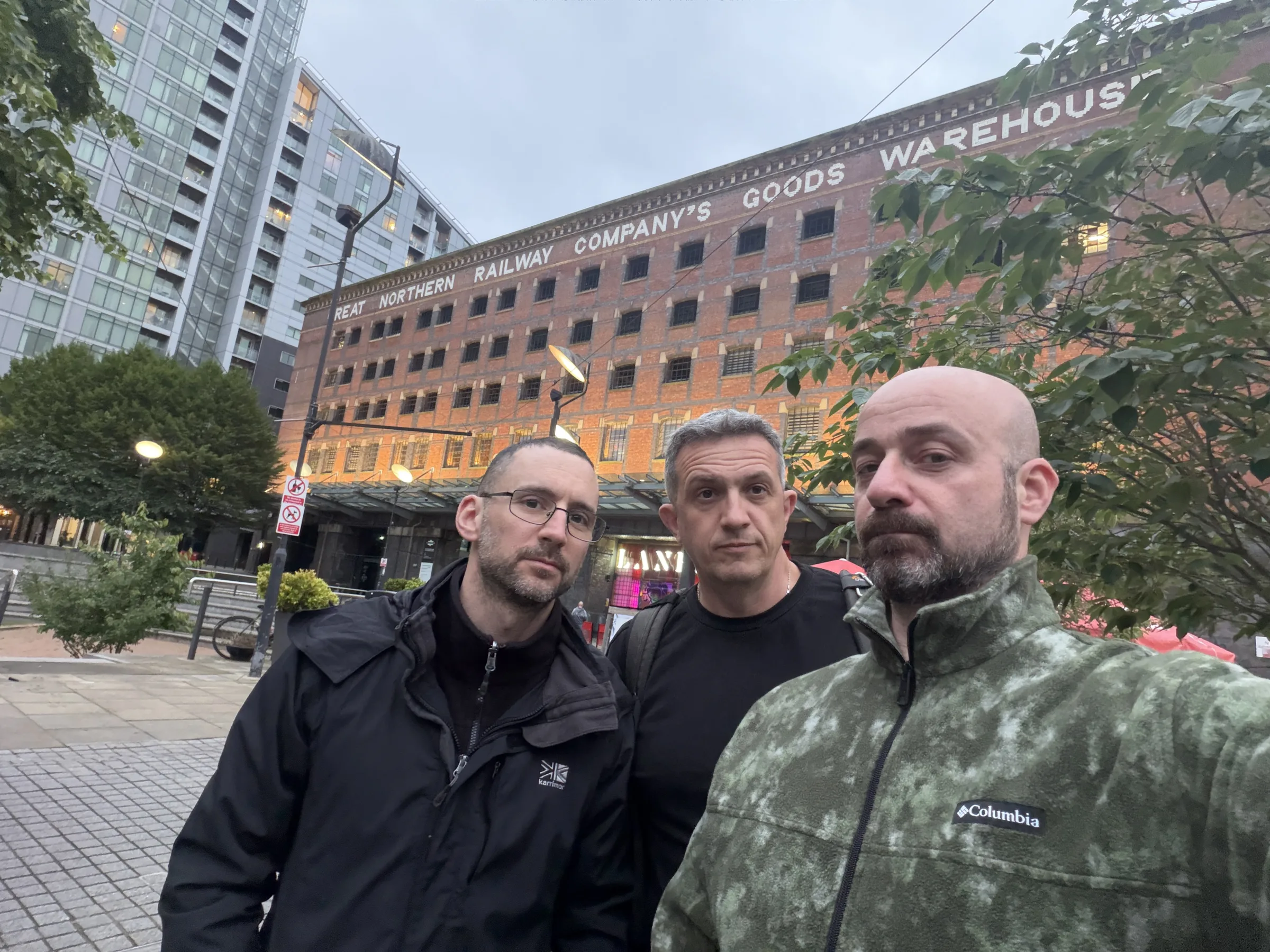
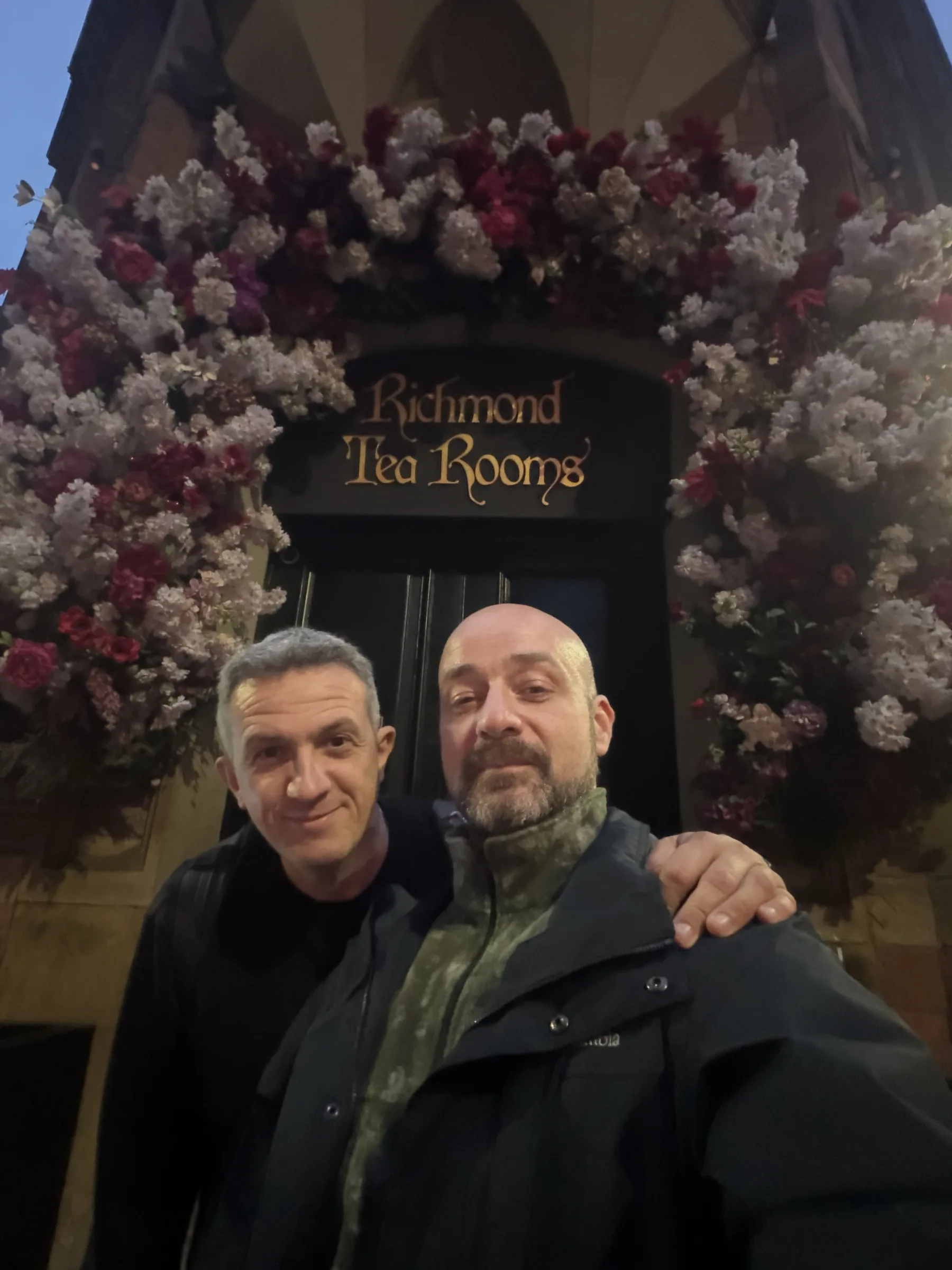
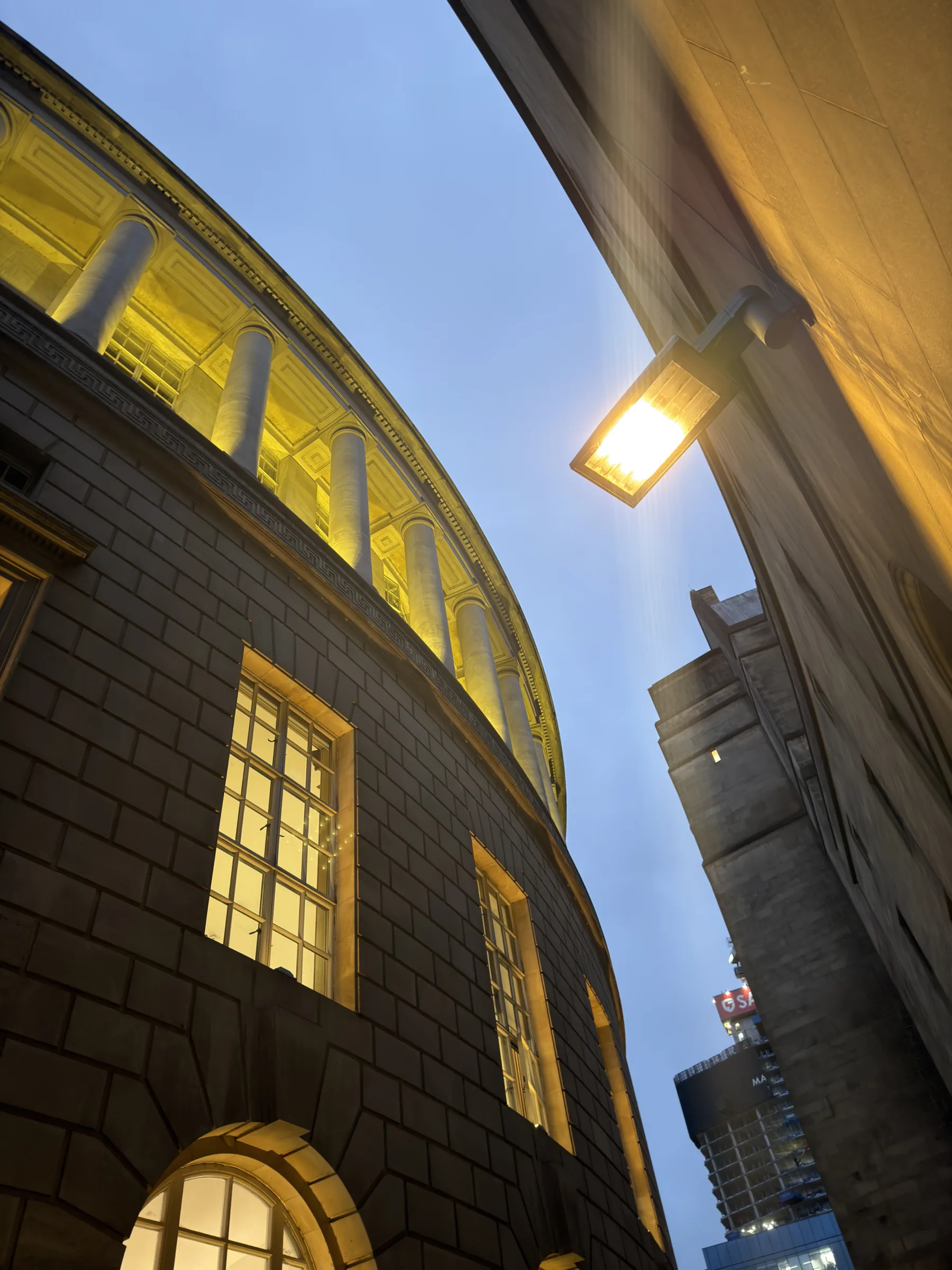
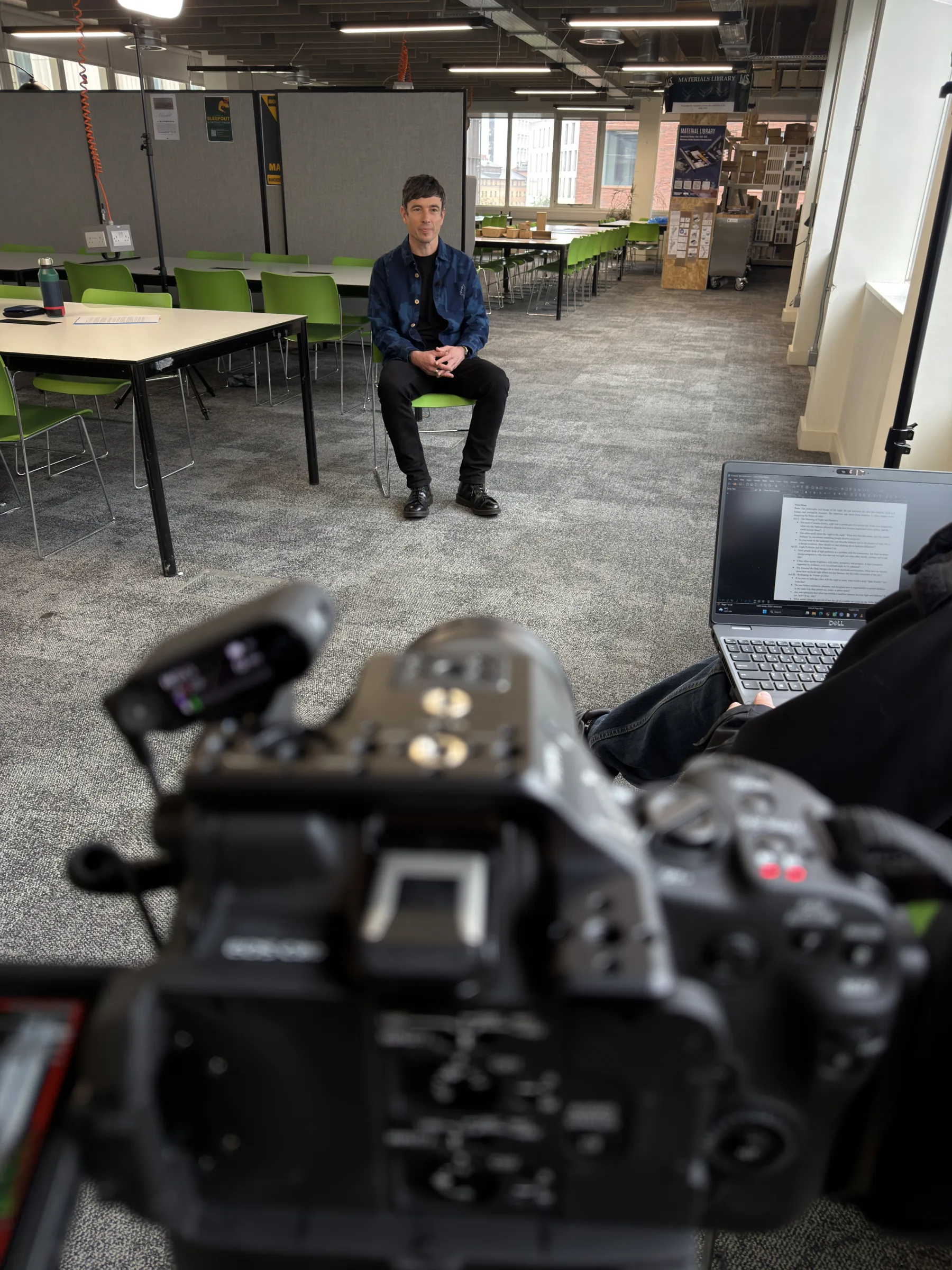
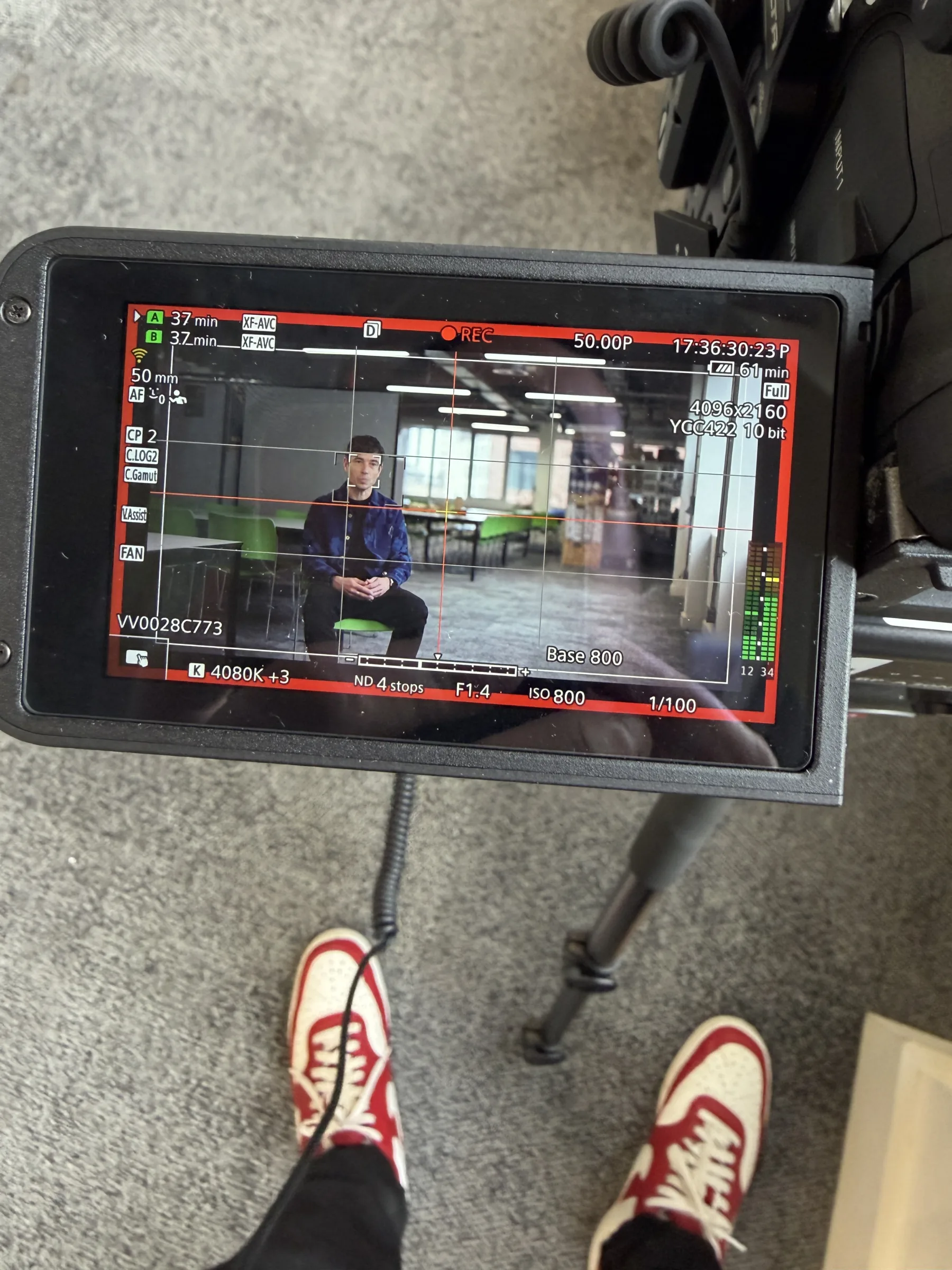
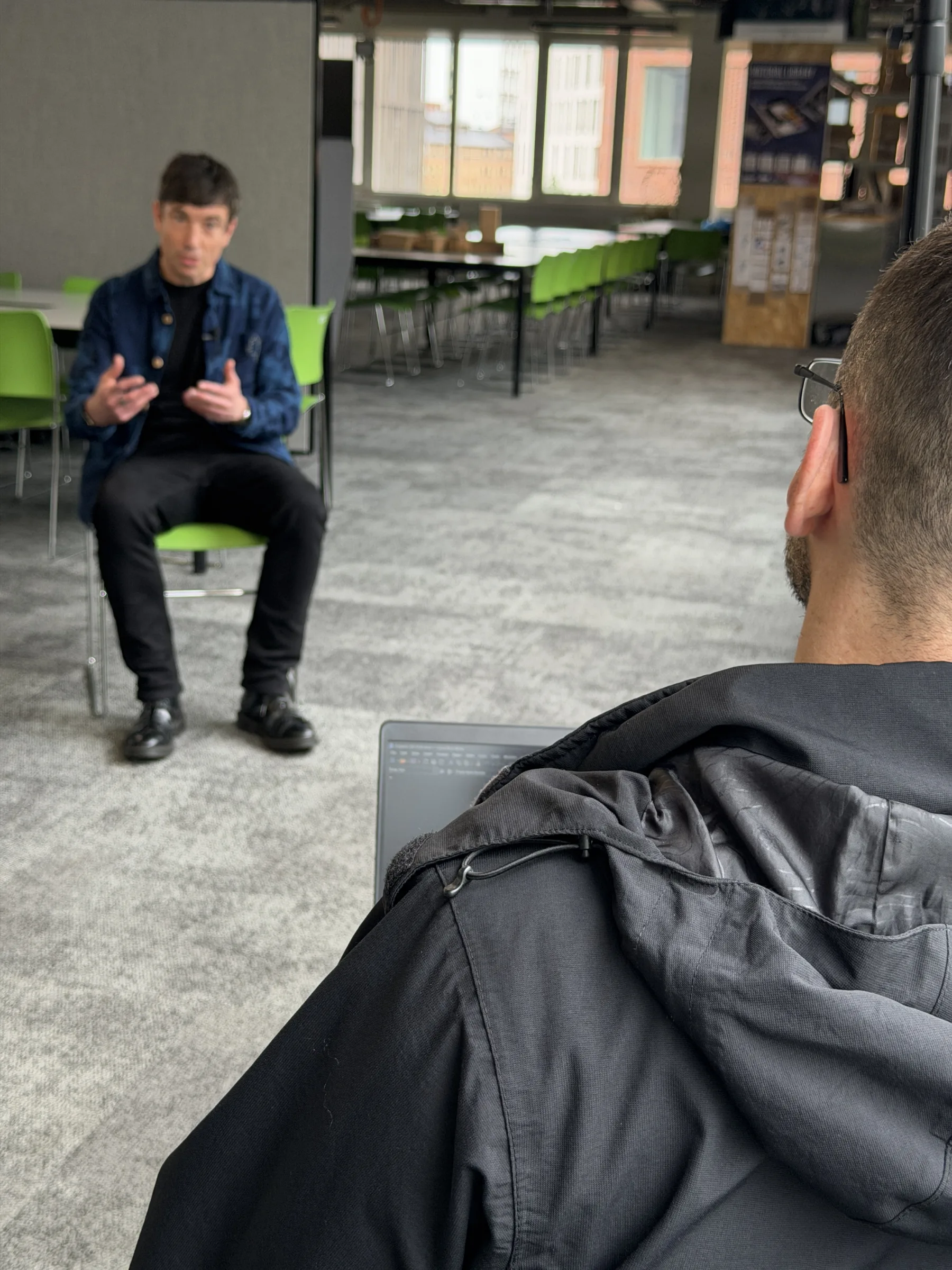
On 12 June we sat down with Professor Nick Dunn at the Manchester School of Art, Manchester Metropolitan University. A leading international authority on the nocturnal environment, Professor Dunn critically examines urban design, artificial lighting and the cultural and ecological significance of darkness. In his book Dark Matters: A Manifesto for the Nocturnal City, he explores how the loss of natural night reshapes human experience, architecture and the rhythms of modern cities.
Our conversation covered how urban environments have progressively erased the night sky, what happens to our sensory perception when darkness disappears, and how we can reimagine future cities that coexist with natural nightscapes. His insights bring an essential architectural and cultural dimension to ECLIPSED, bridging urban design, human well-being and the protection of our night skies.
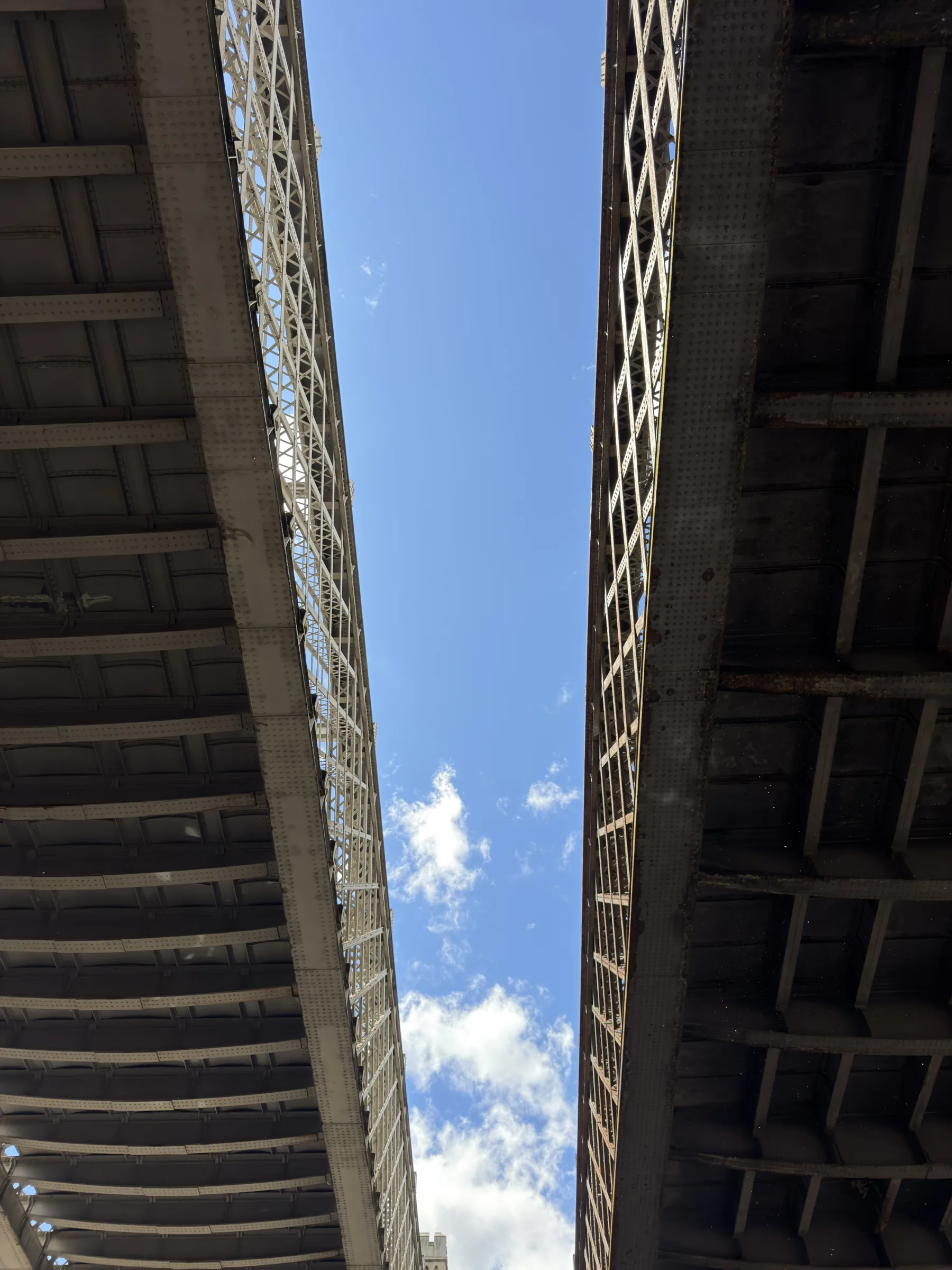
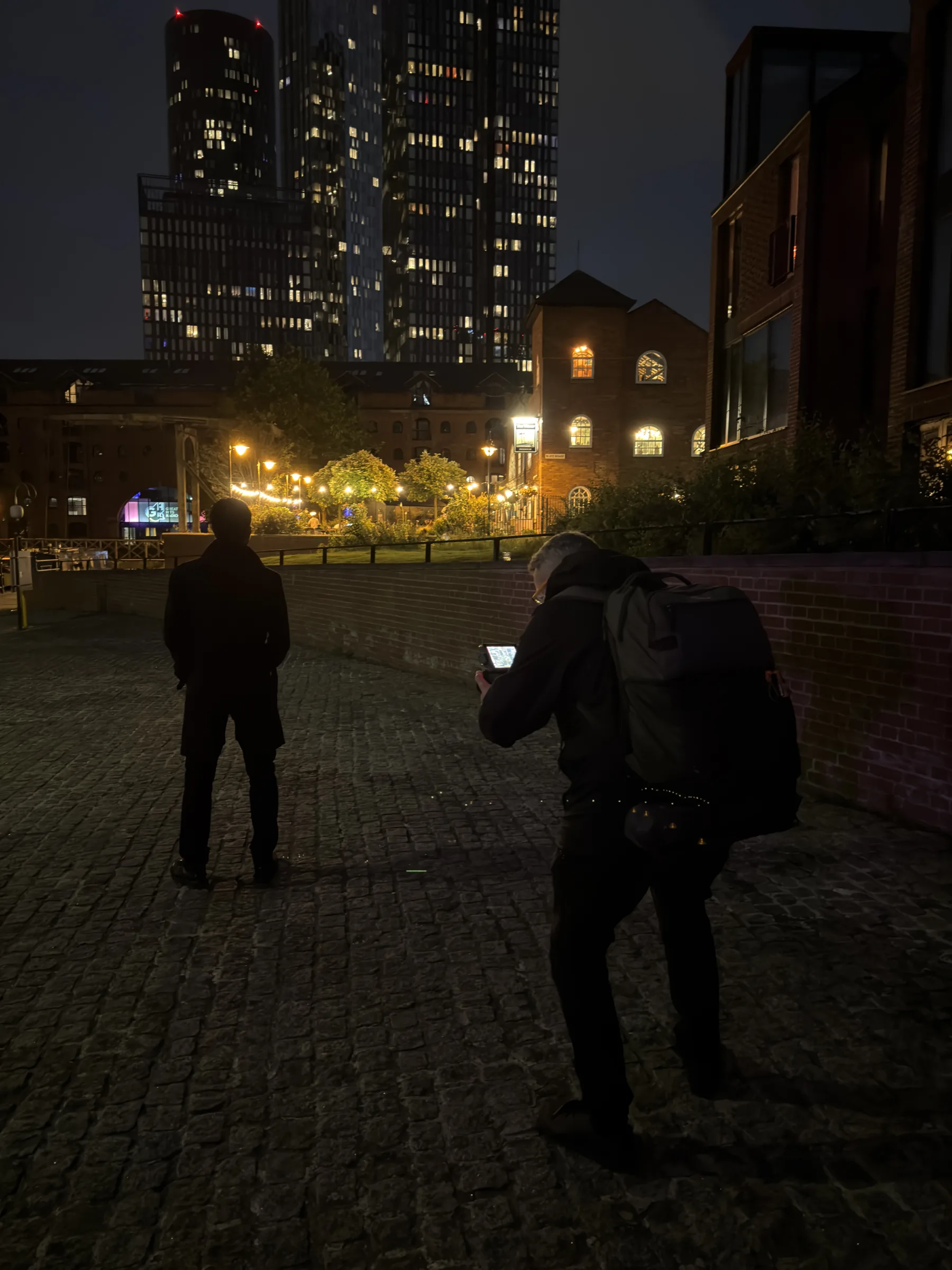
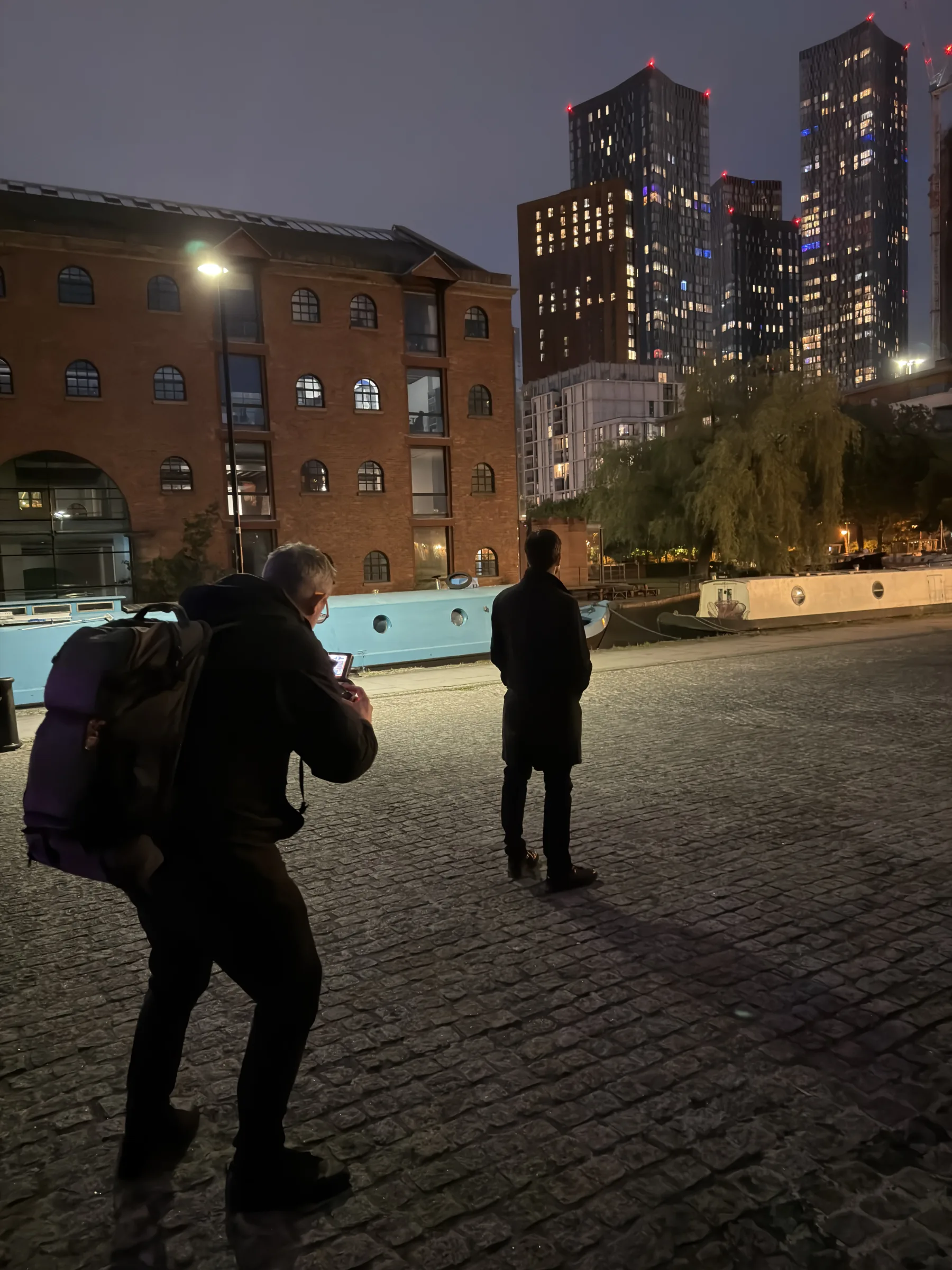
Between filming sessions, Manchester kept pulling our eyes upwards, to glass towers and the iron railway viaducts of Castlefield. Late that night we returned to Castlefield with Professor Dunn to film him in the city as it really looks after dark: towers lit floor by floor, warm lamps along the canal and a sky that never turns black.
Liverpool and the road back
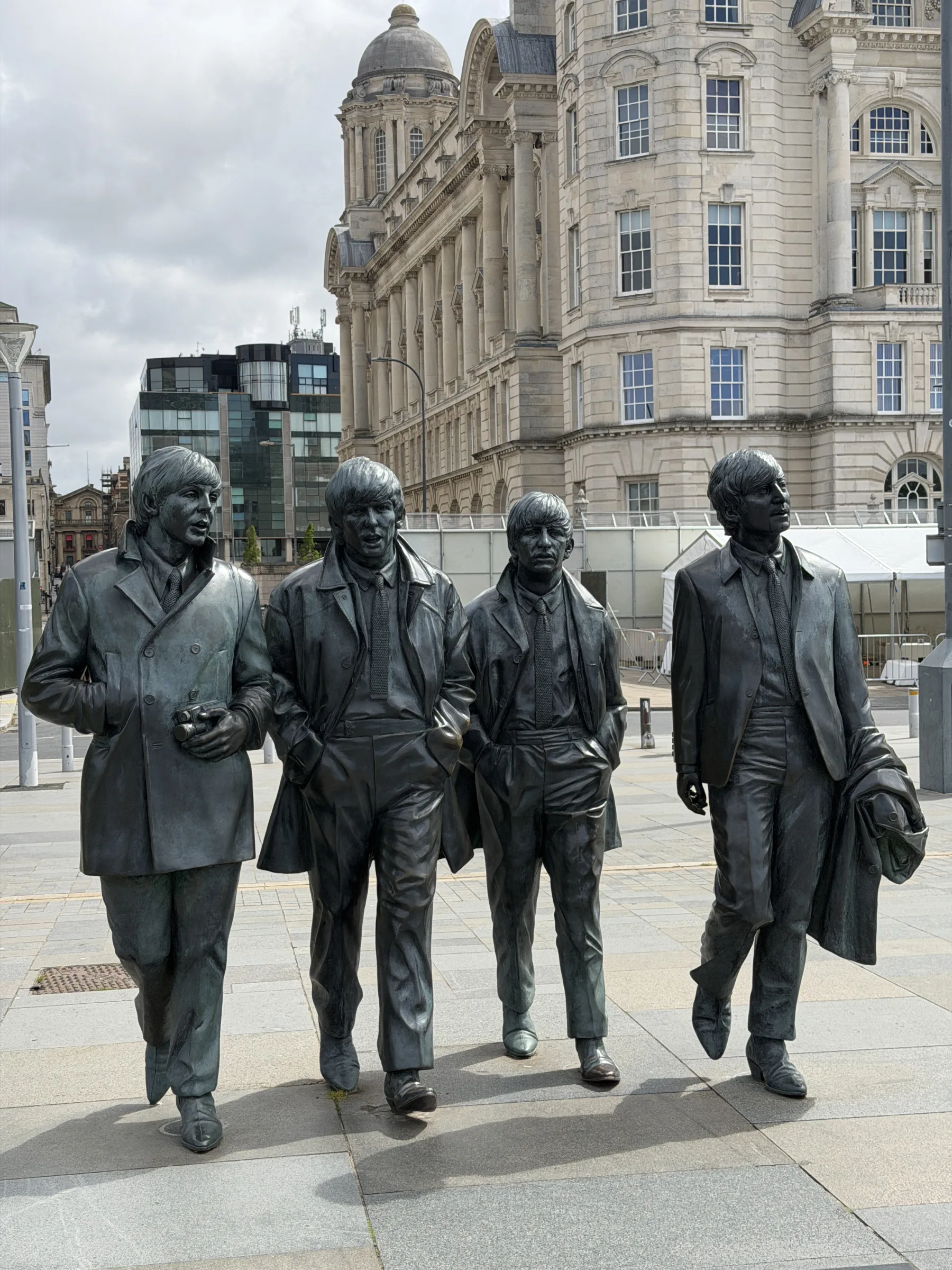
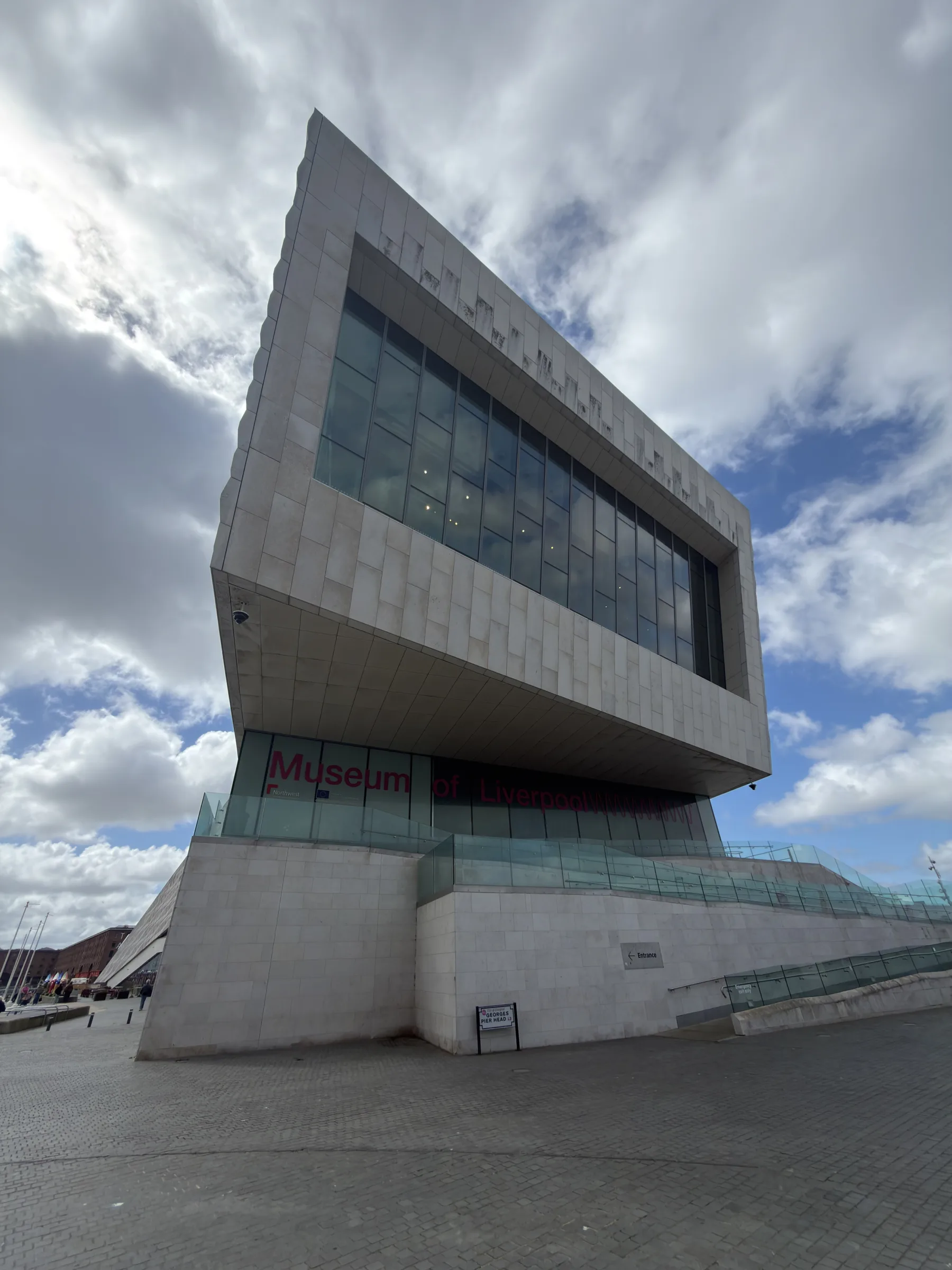
On 13 June we drove west to Liverpool for a short stop on the waterfront: the Pier Head, the Beatles statue and the striking Museum of Liverpool. Then back on the road, through Derby once more, and south towards London.
London, one last time: Fujifilm and the BFI IMAX
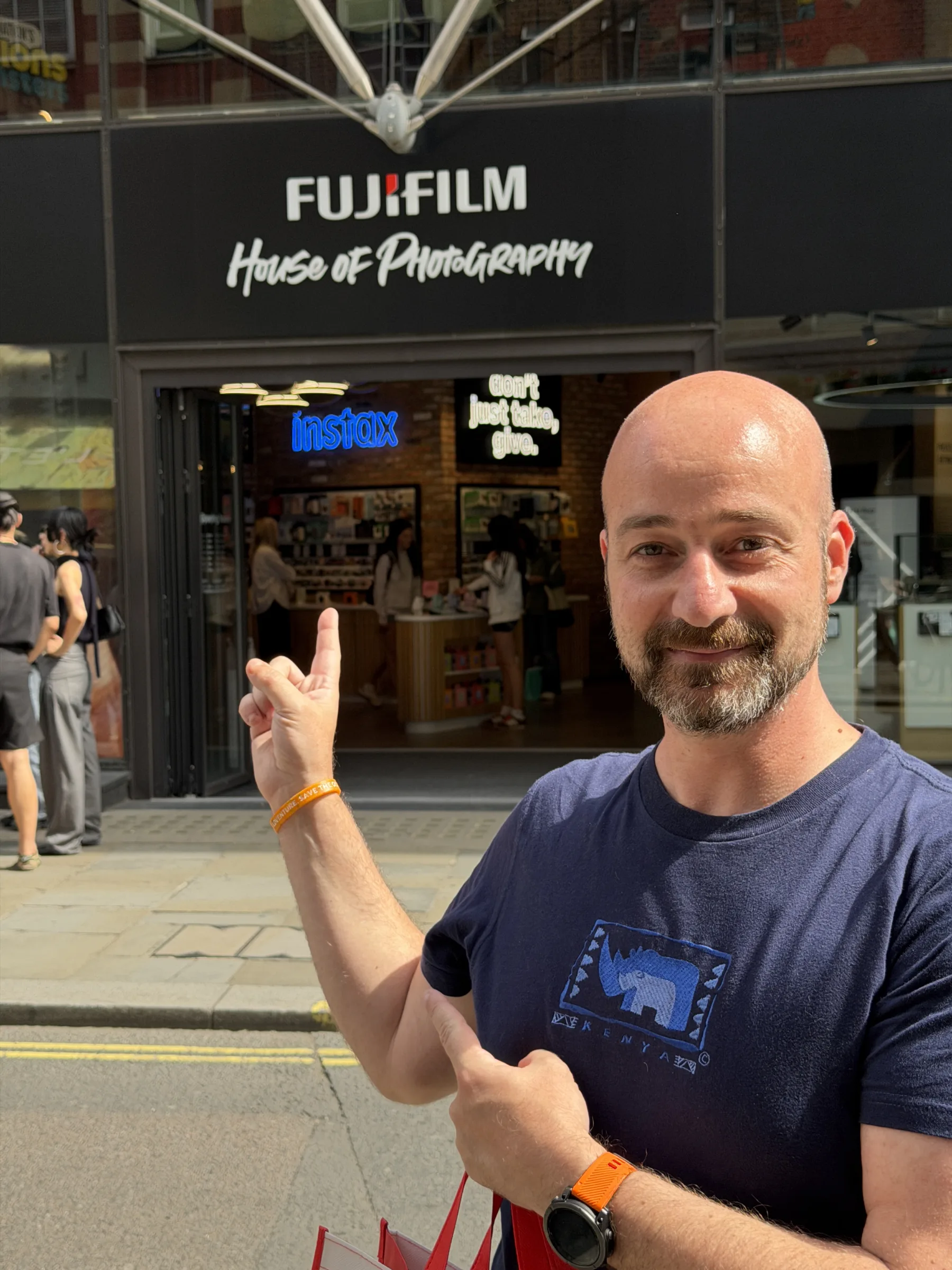
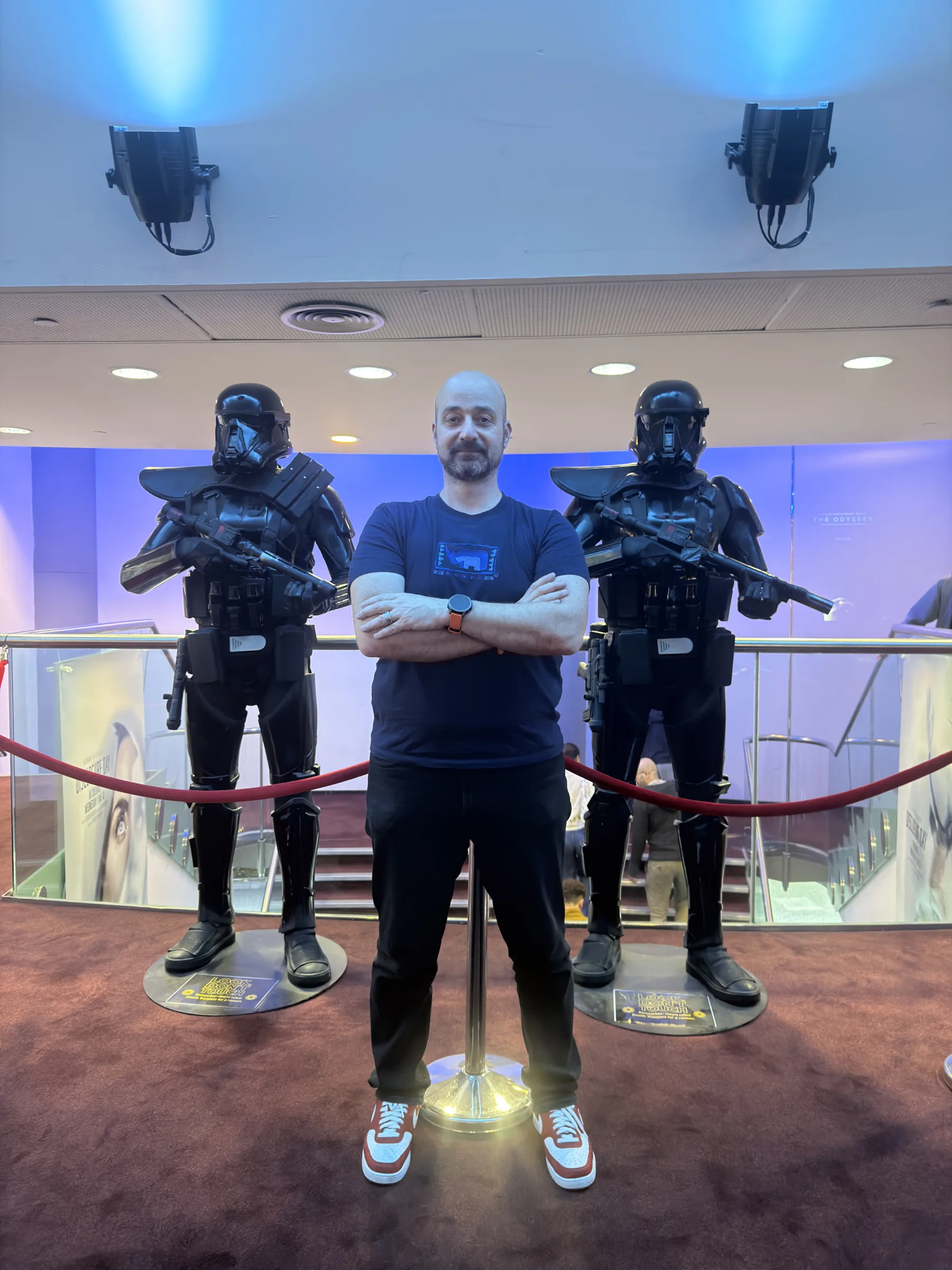
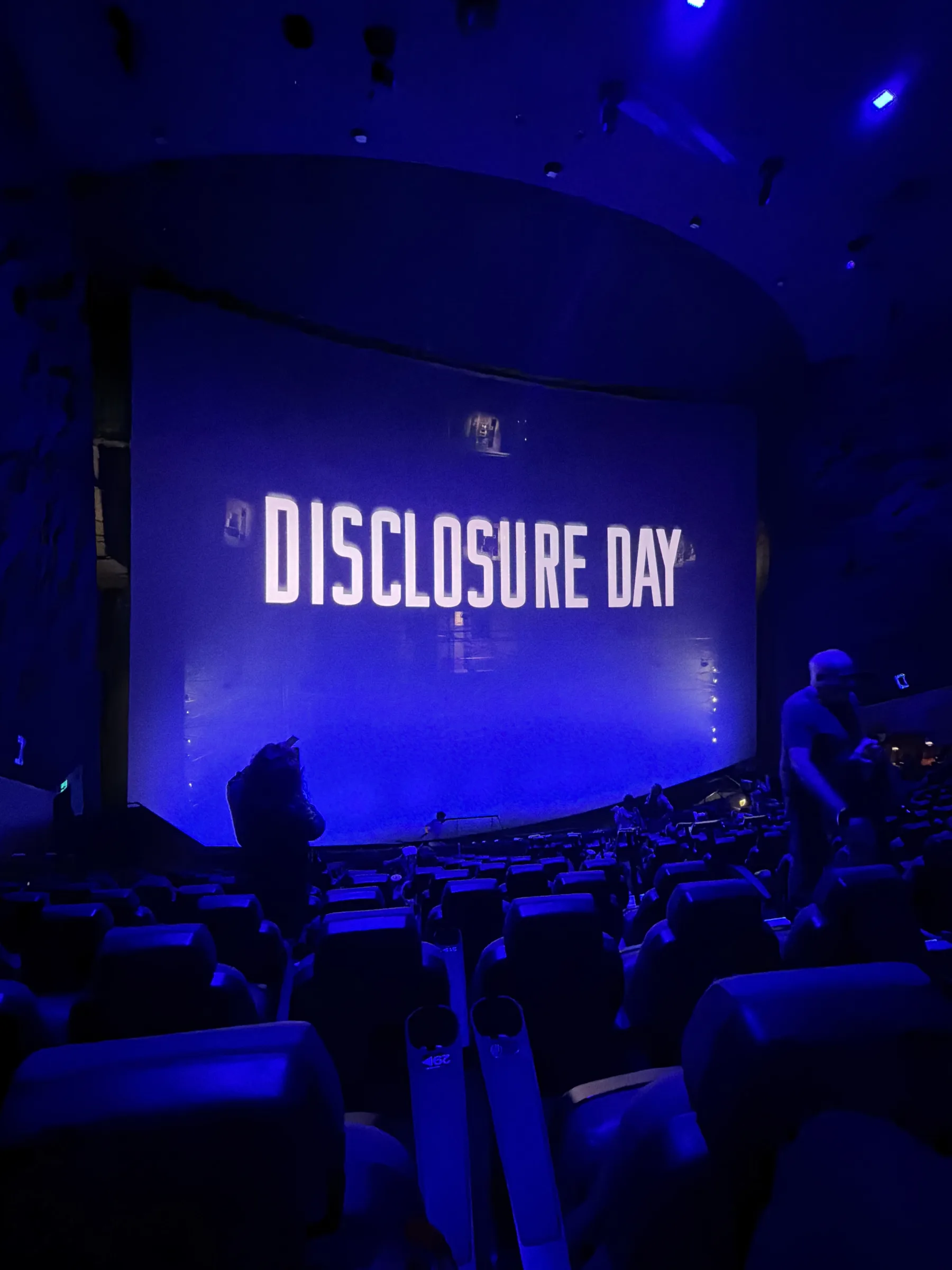
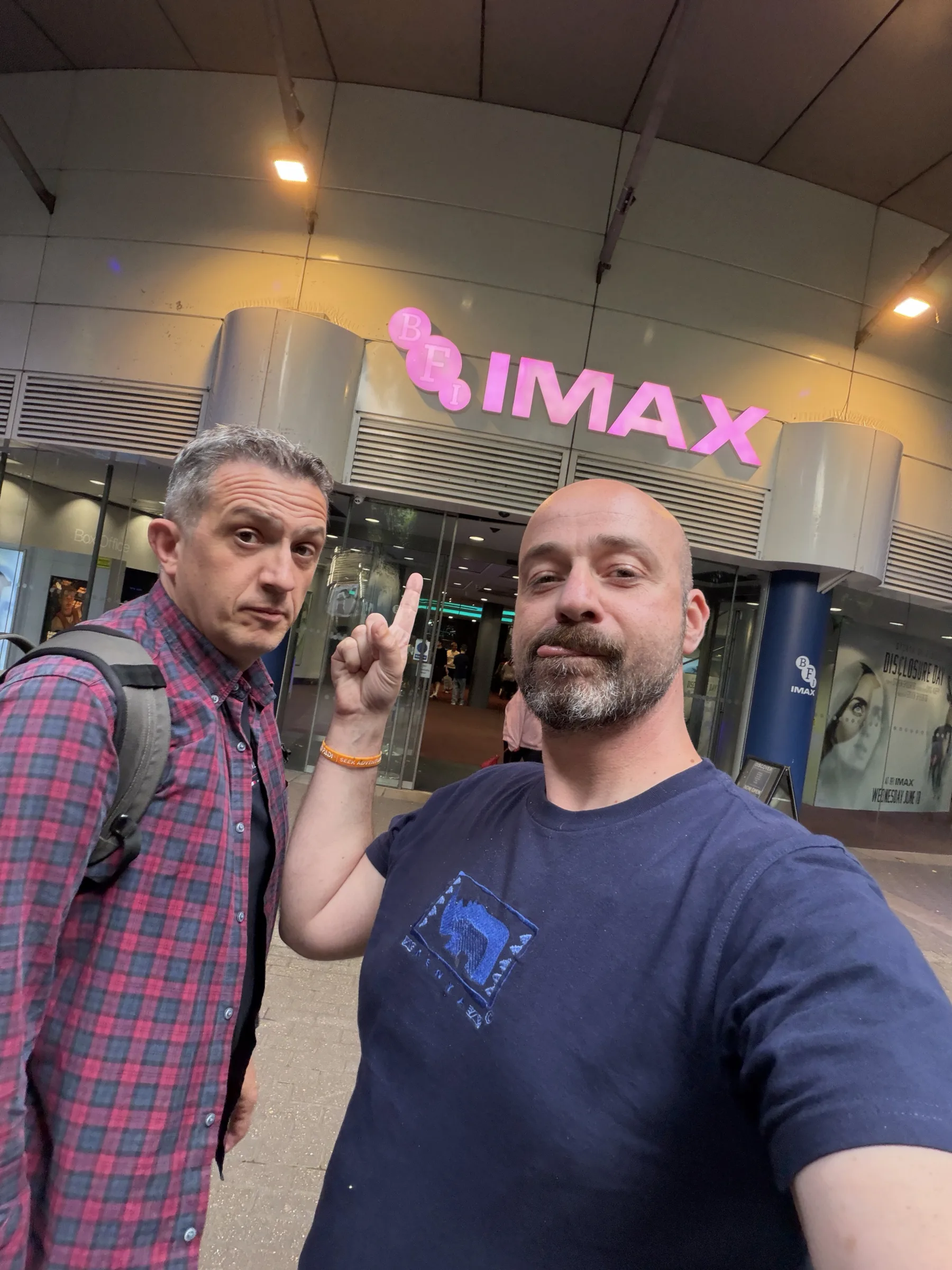
Our last day, 14 June, was a little lighter. I made a stop at the Fujifilm House of Photography in Covent Garden, and in the evening we went to the BFI IMAX at Waterloo to watch Steven Spielberg’s Disclosure Day on one of the largest cinema screens in Britain. After a week of conversations about the night sky, ending the trip with a film that also turns our eyes upwards felt just right.
What comes next for the light pollution documentary
We came home with valuable footage, important interviews and experiences that will become a key part of ECLIPSED.
A big thank you to Professor Glen Jeffery, Dr Patrick Stacey and Professor Nick Dunn for their time and their ideas, to Christophe and Kay for an unforgettable week on the road, and to everyone who helped us along the way. If you want to know how this project began, read the announcement of ECLIPSED, and if you want to understand why darkness matters so much to me, read Under the Dark Sky of Fraktos. For official news about the film, visit eclipsedfilm.com.